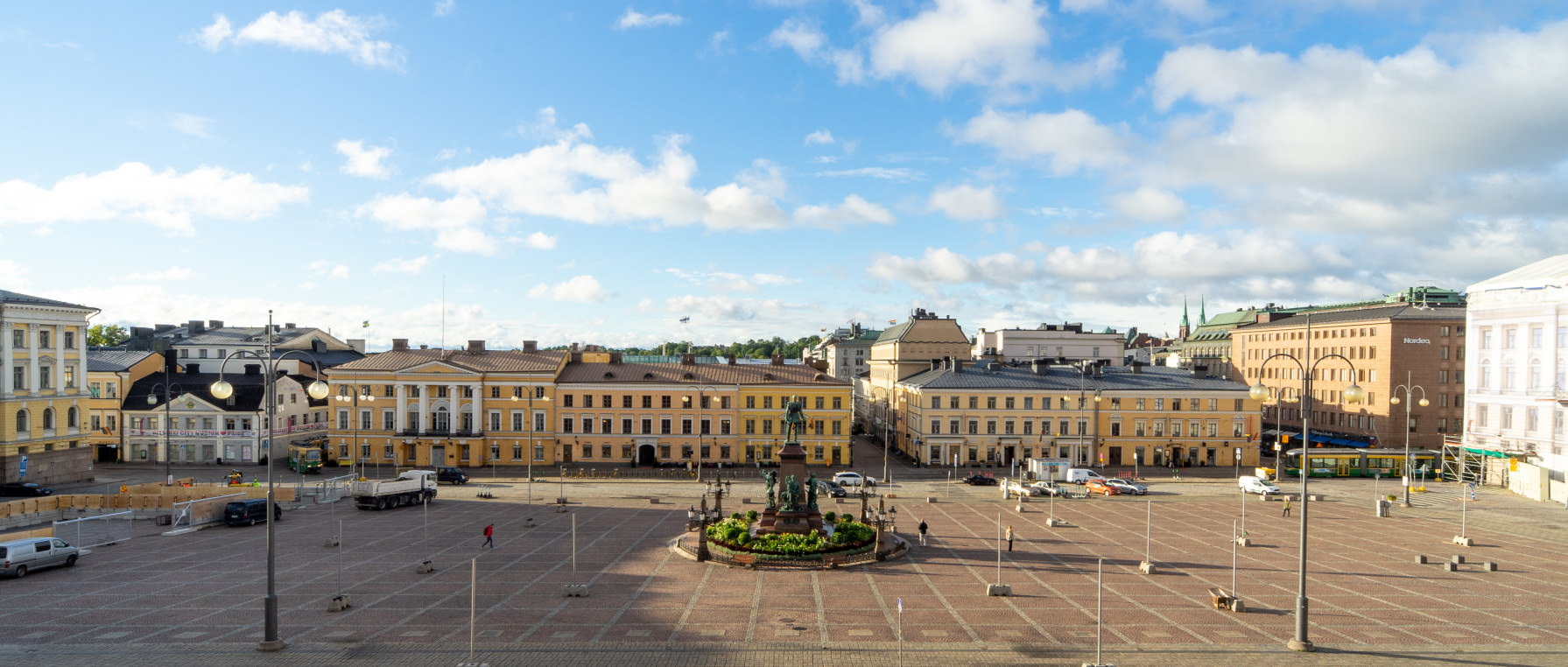
Torikorttelit
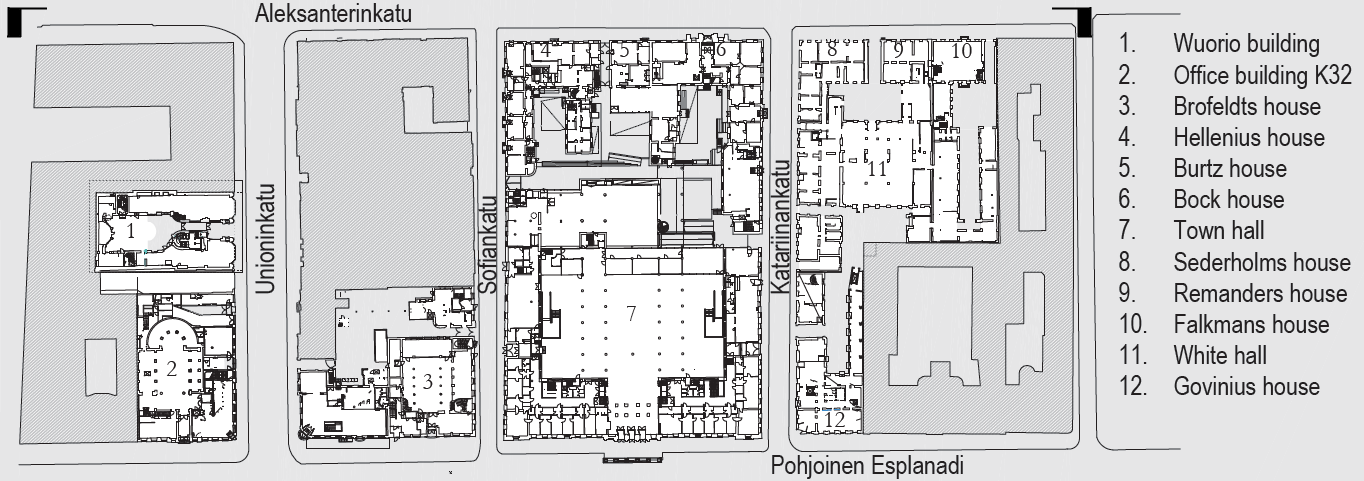
The Torikorttelit project covers four of the oldest blocks in the heart of Helsinki.
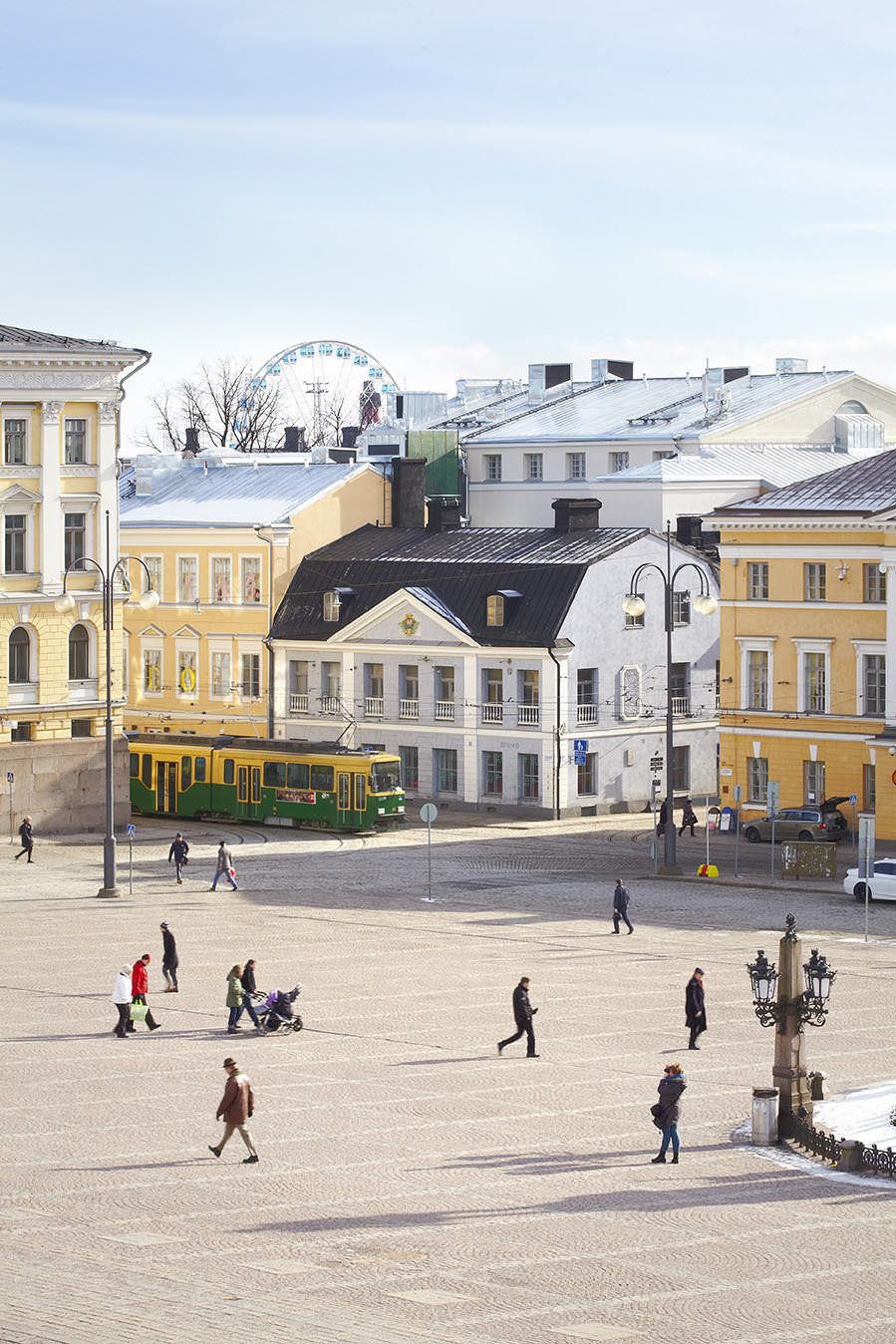
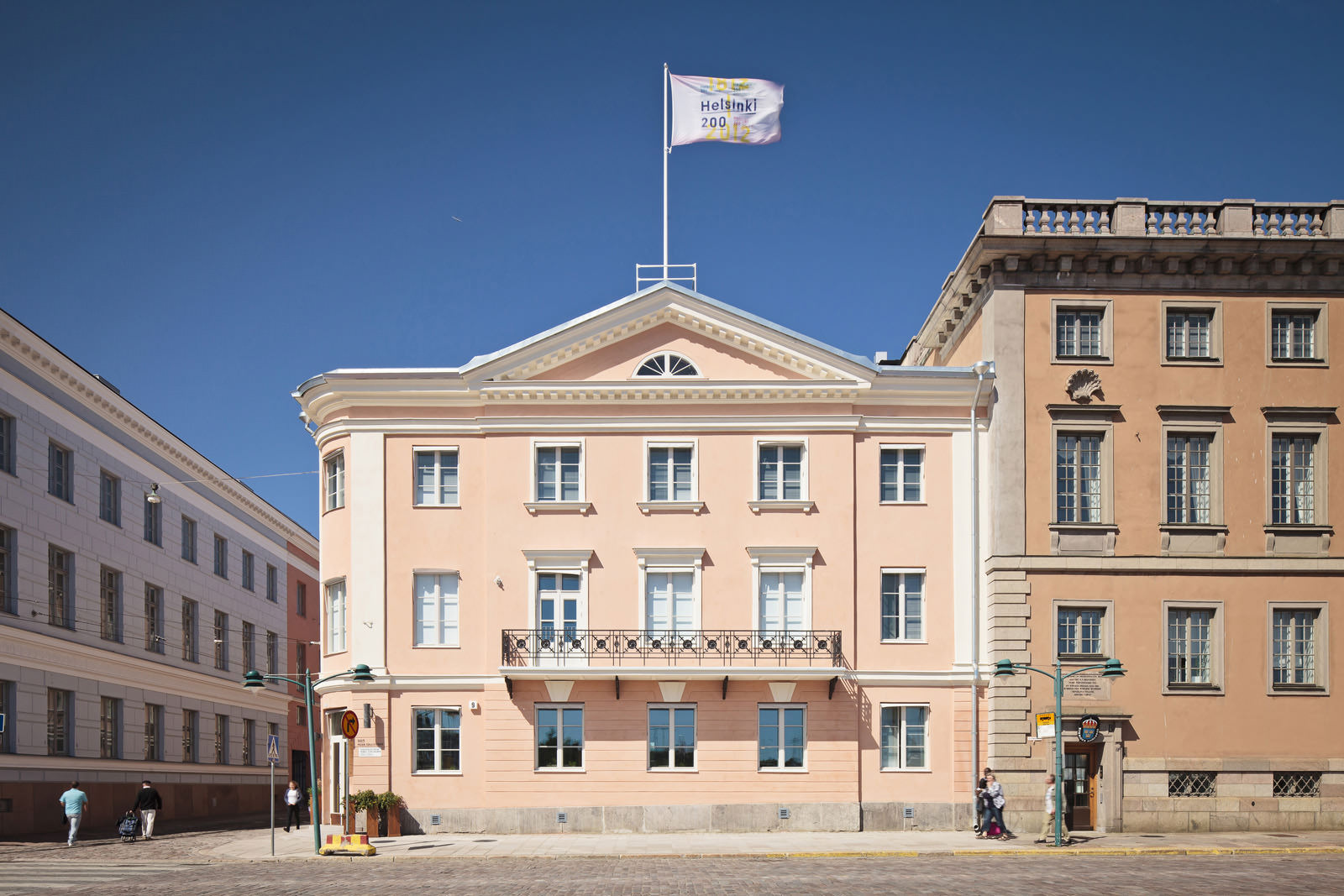
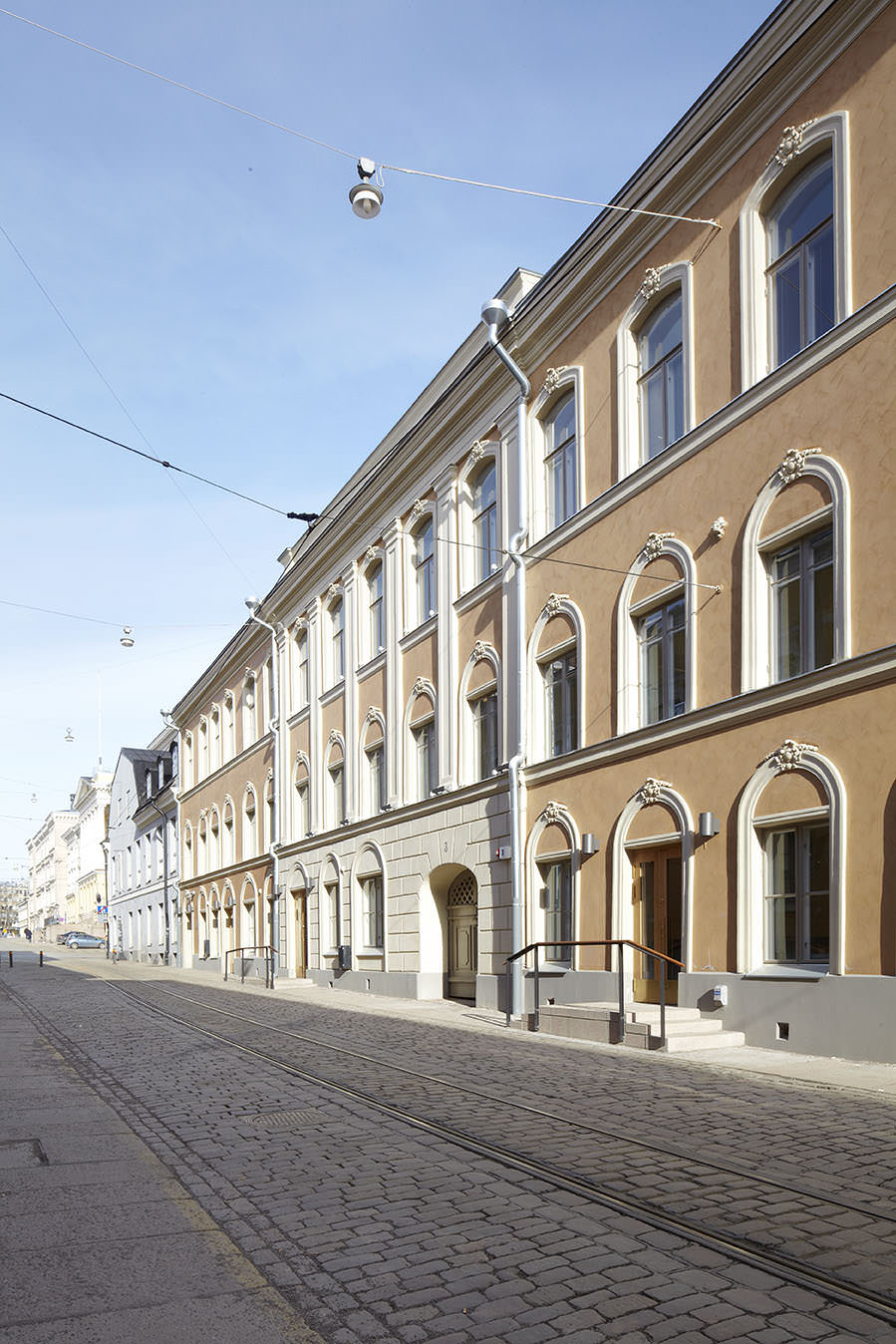
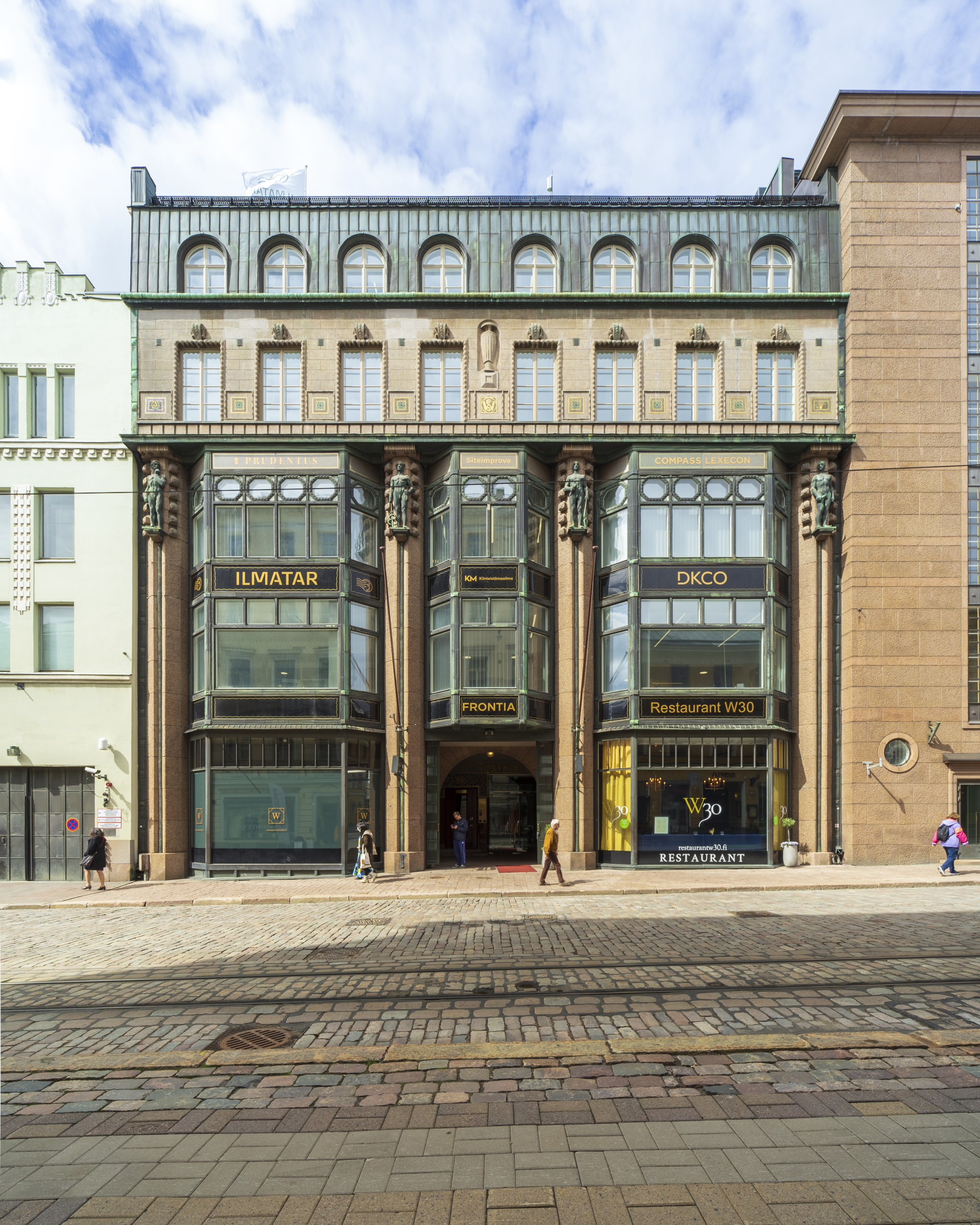
Senate Square is the monumental centre of Helsinki and the major architectural focal point in the town plan by Johan Albrecht Ehrenström and Carl Ludvig Engel from the beginning of the 19th century. The city blocks between Senate Square and Market Square were taken over after World War II by city administrative functions, causing the area to lose some of its charm. In early 2010, the City of Helsinki launched a revitalization project for the entire area. The planning of Torikorttelit included four blocks in the Empire style area of central Helsinki: the Elephant, Lion, Rhino and Dromedary blocks.
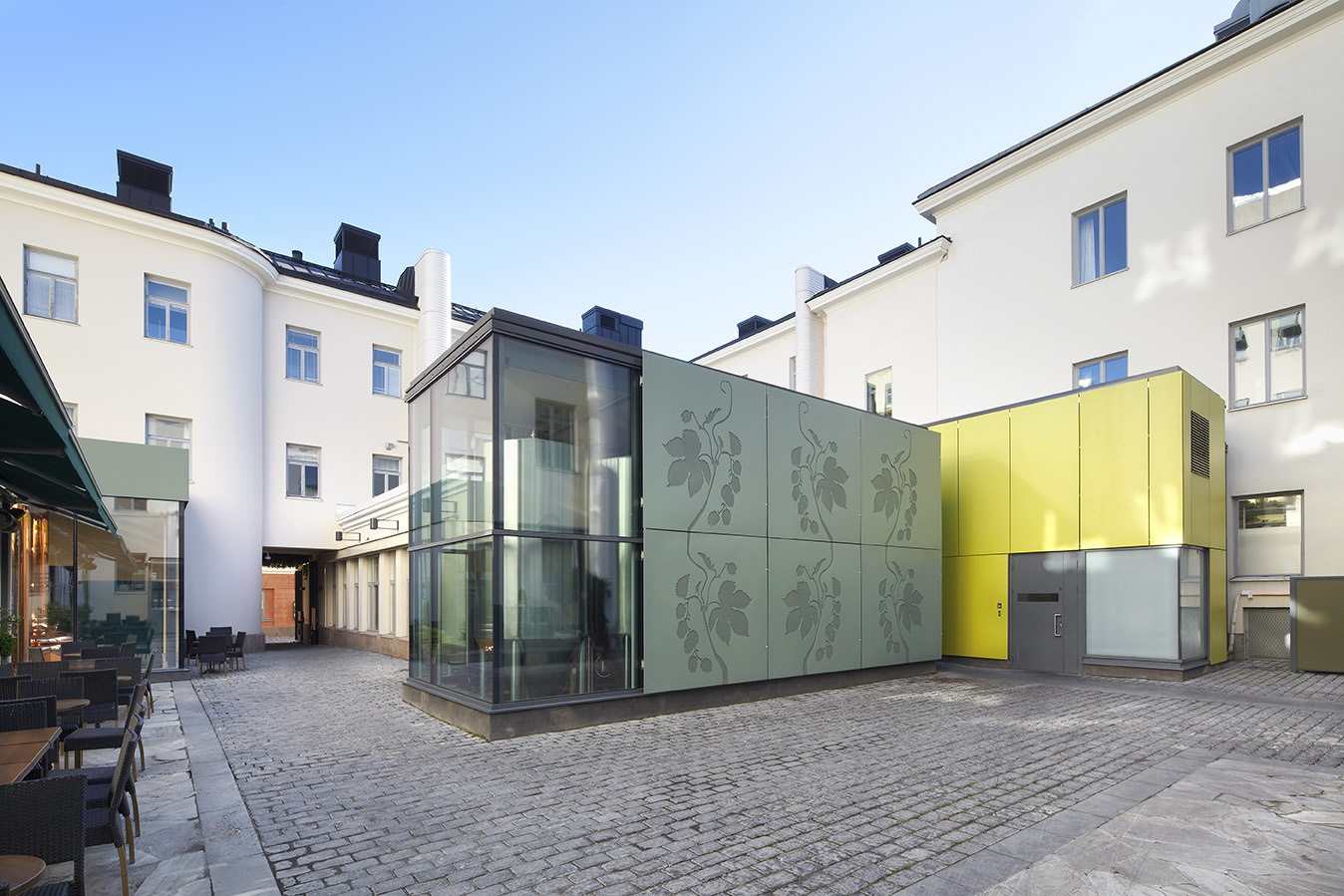
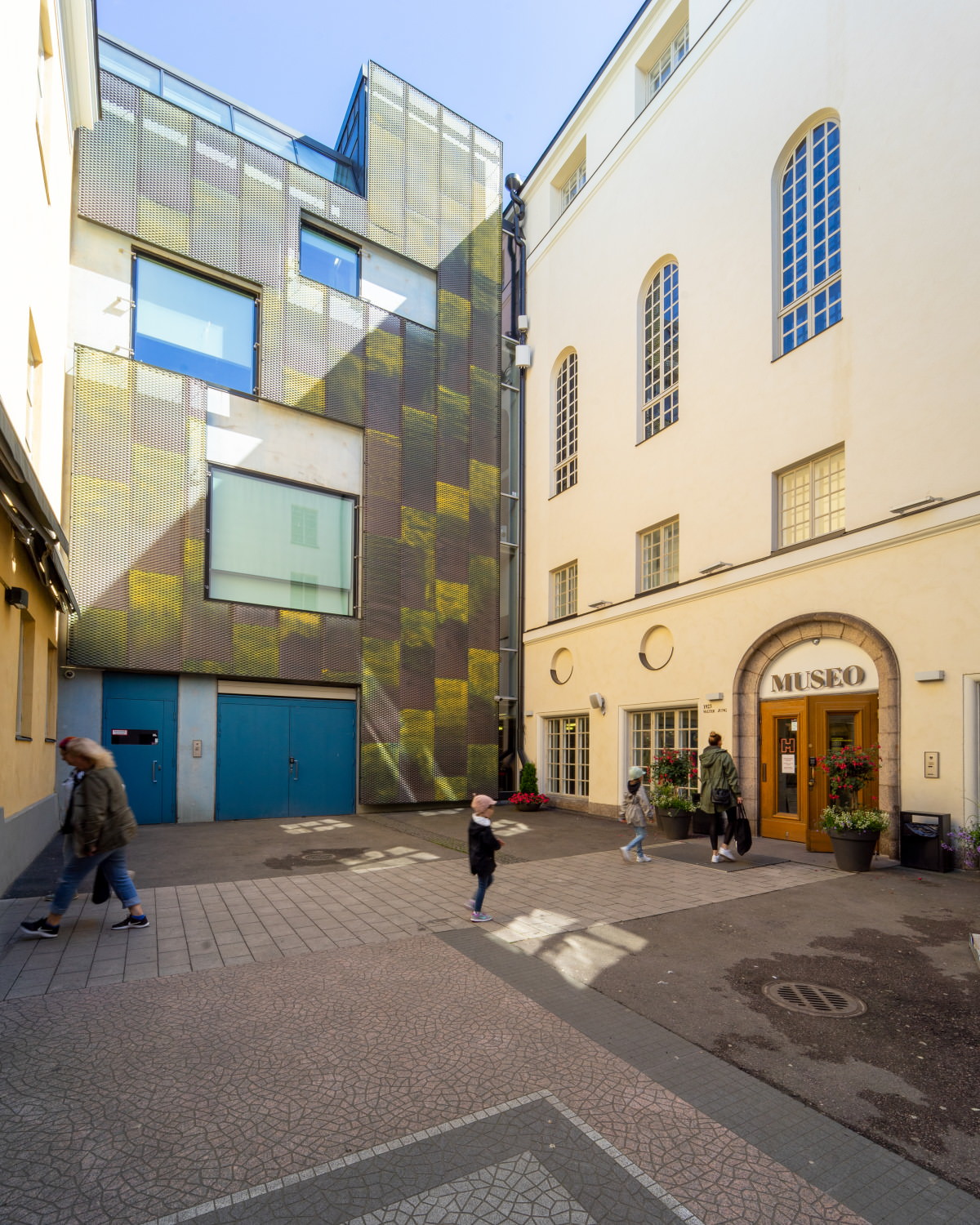
The Elephant block and its three internal courtyards have been opened to the public. The new premises of the Helsinki City Museum are located on the west side of the Elephant Quarter, and the museum is now a continuation of a lively public urban space with courtyards and restaurants, galleries, and other tourist attractions. The project joins the common interests of the city and Torikorttelit by expanding commercial premises, while also fulfilling the museum’s need to develop its public services and content in experiential exhibition spaces that meet the requirements for modern museum operations.
Senate Square is the monumental centre of Helsinki and the major architectural focal point in the town plan by Johan Albrecht Ehrenström and Carl Ludvig Engel from the beginning of the 19th century. The city blocks between Senate Square and Market Square were taken over after World War II by city administrative functions, causing the area to lose some of its charm. In early 2010, the City of Helsinki launched a revitalization project for the entire area. The planning of Torikorttelit included four blocks in the Empire style area of central Helsinki: the Elephant, Lion, Rhino and Dromedary blocks.
The Elephant block and its three internal courtyards have been opened to the public. The new premises of the Helsinki City Museum are located on the west side of the Elephant Quarter, and the museum is now a continuation of a lively public urban space with courtyards and restaurants, galleries, and other tourist attractions. The project joins the common interests of the city and Torikorttelit by expanding commercial premises, while also fulfilling the museum’s need to develop its public services and content in experiential exhibition spaces that meet the requirements for modern museum operations.