The Finnish National Theatre
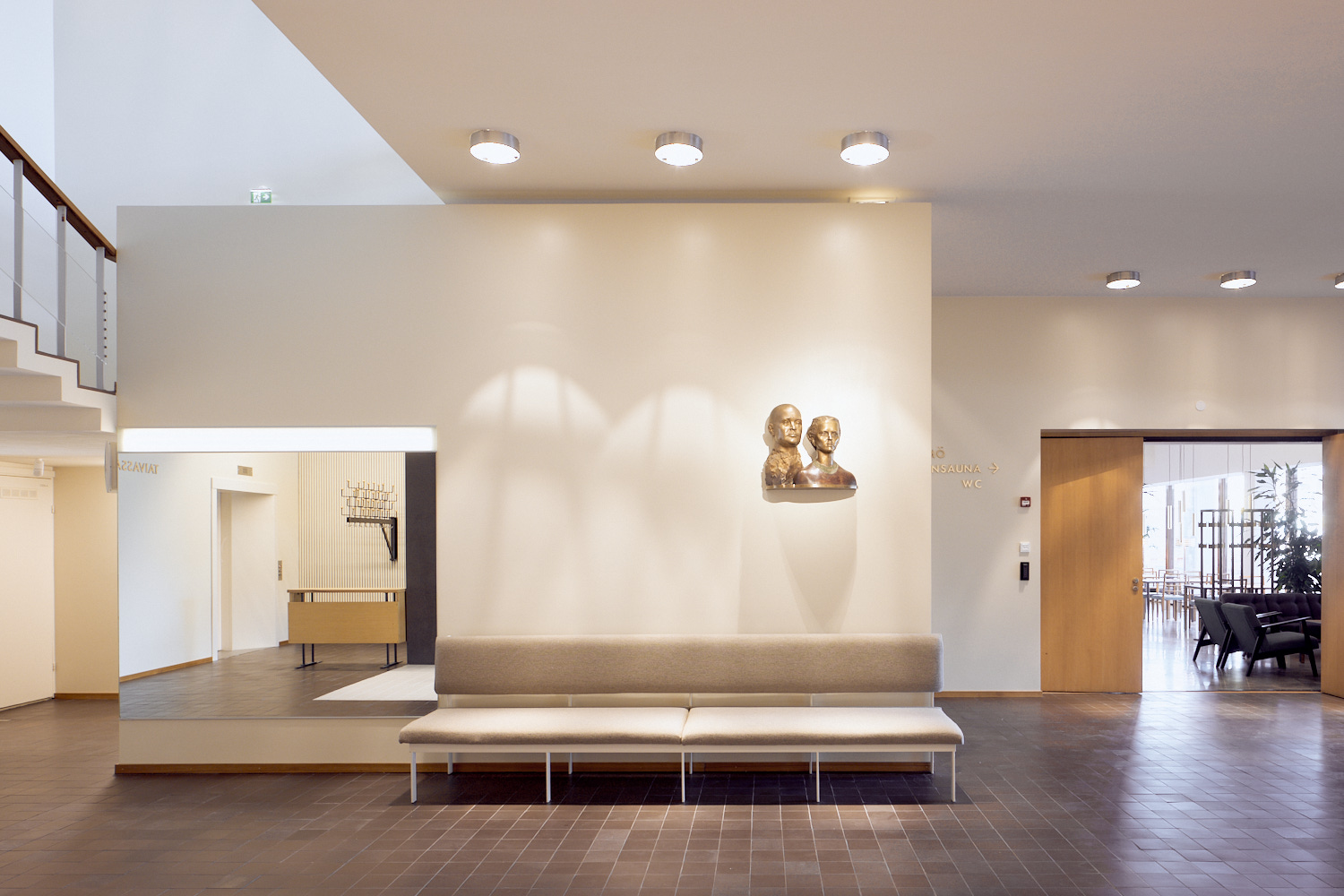
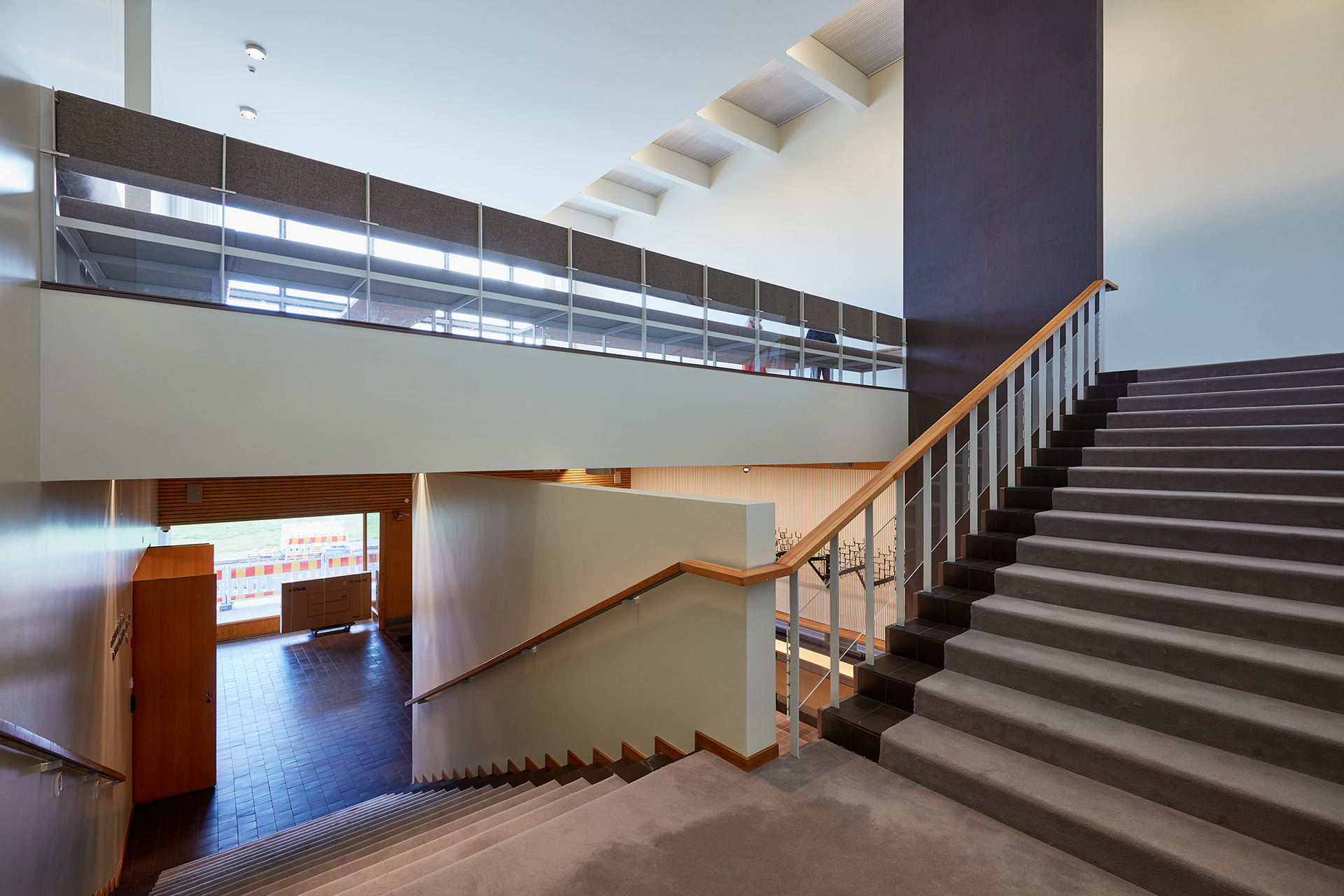
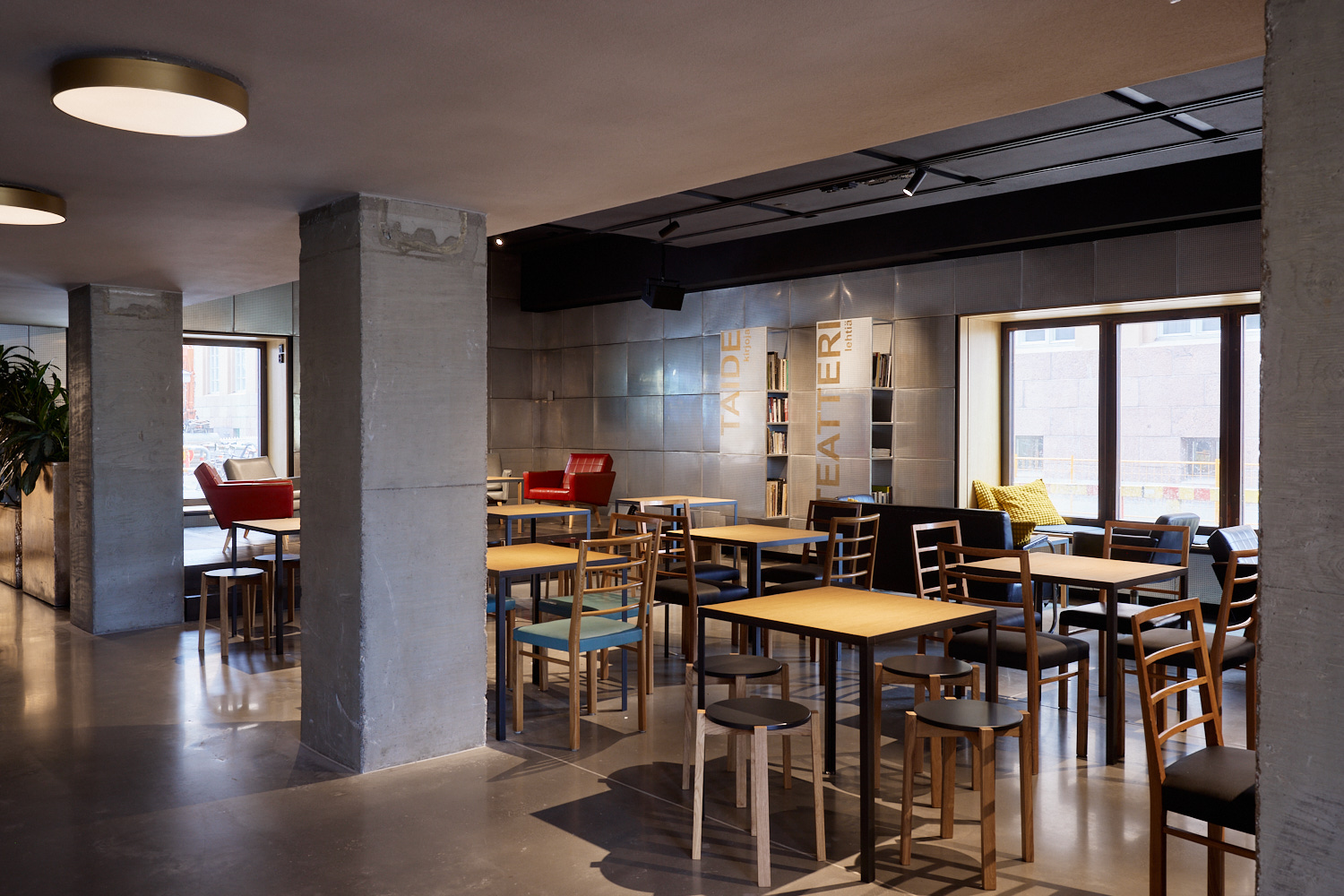
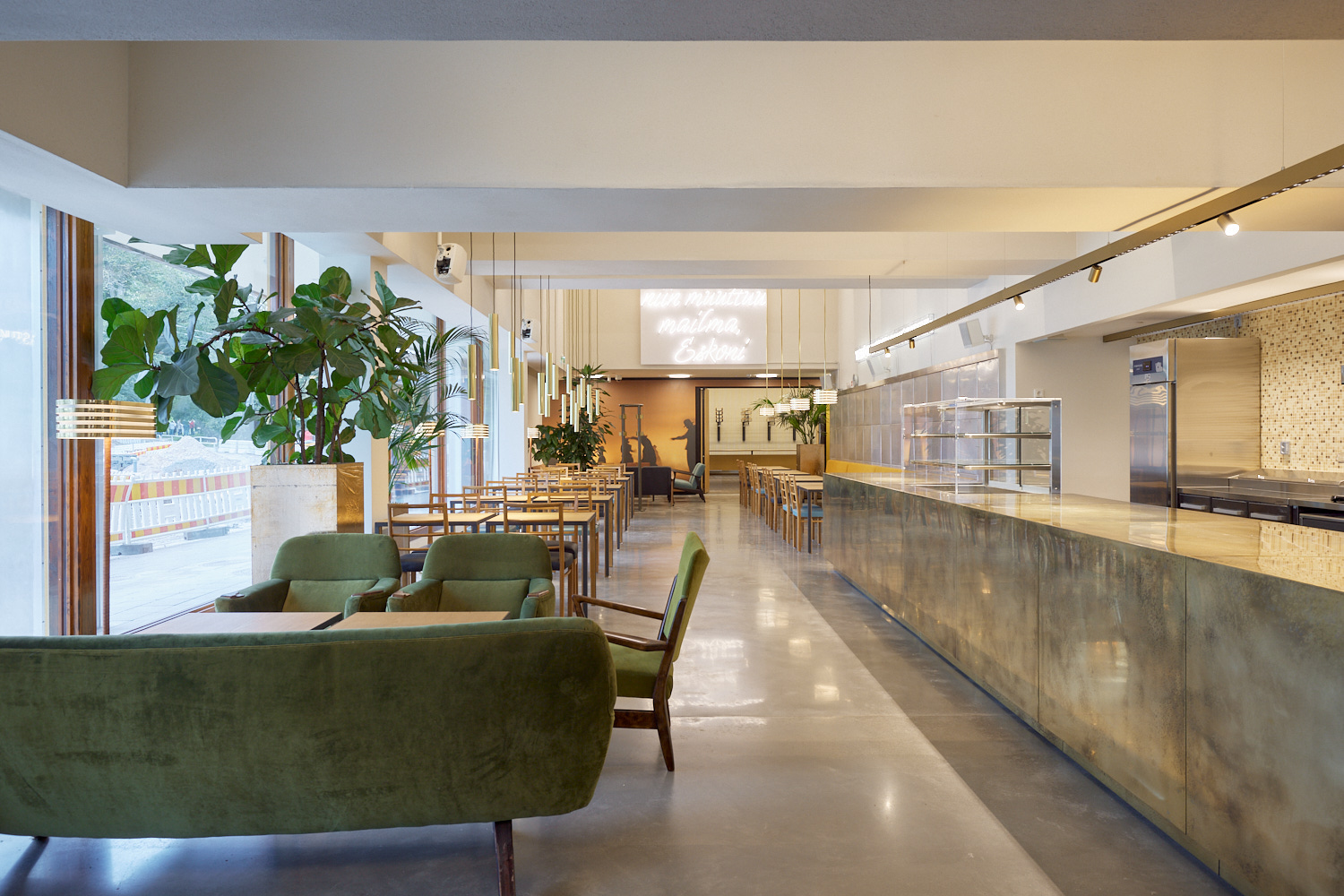
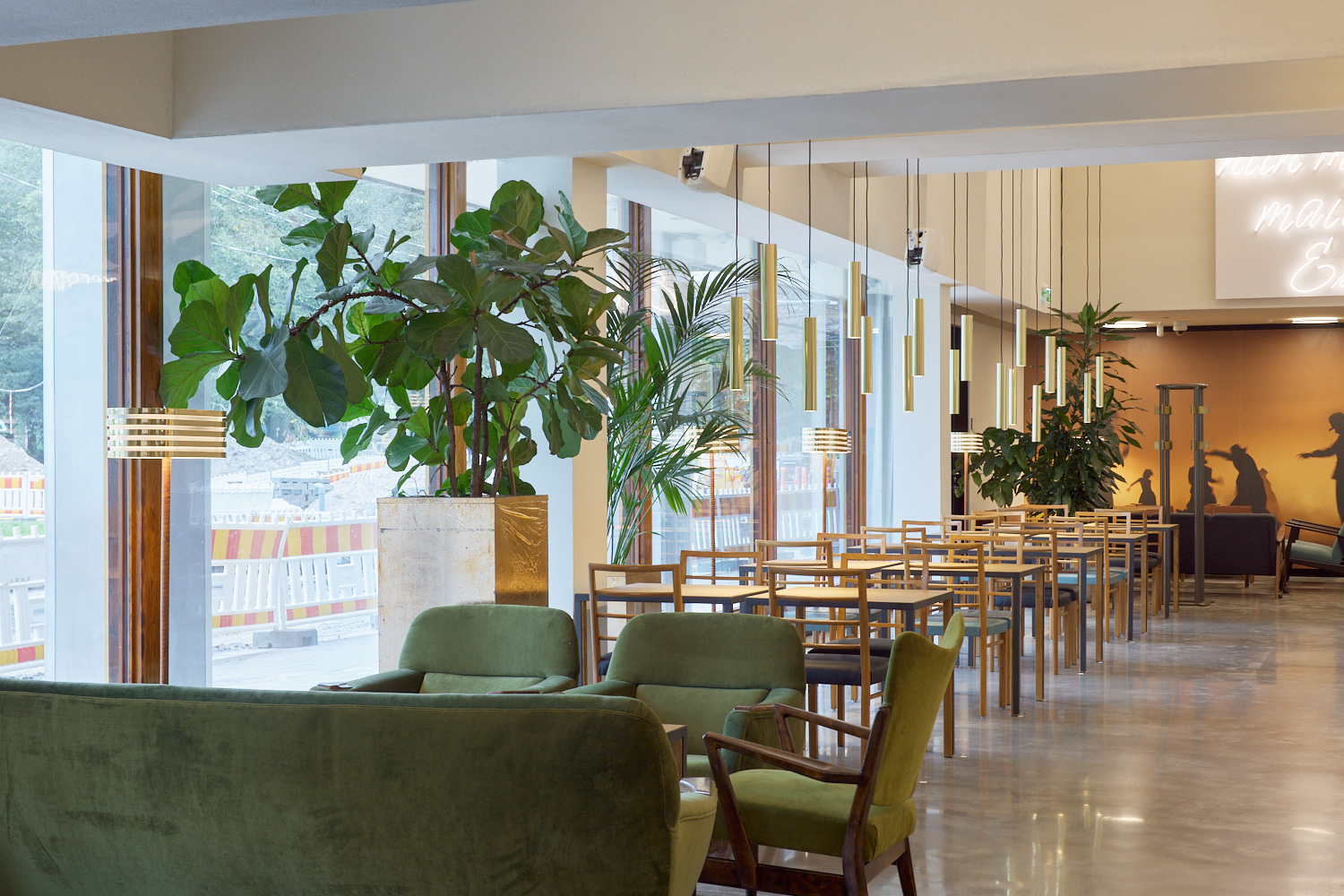
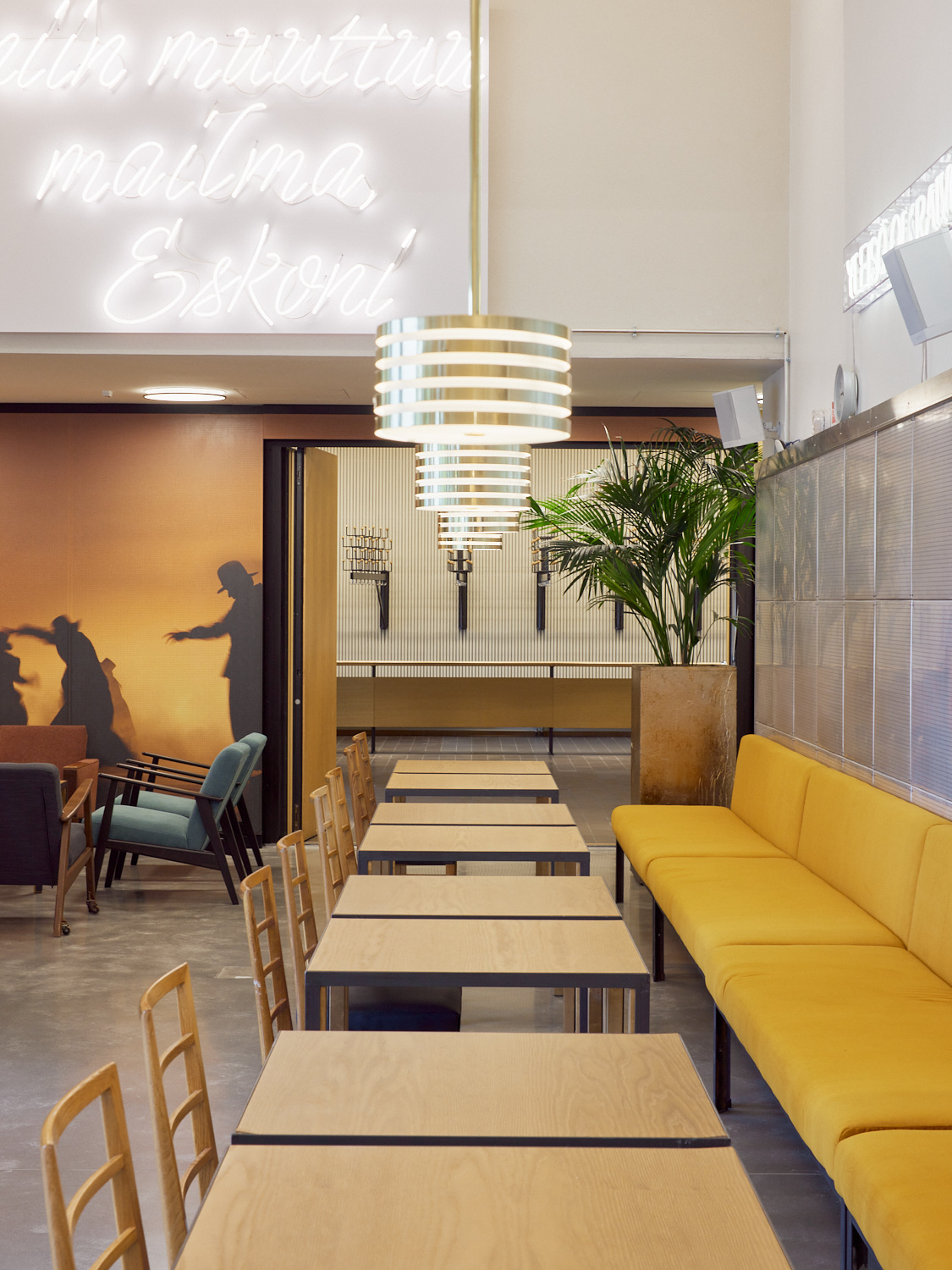
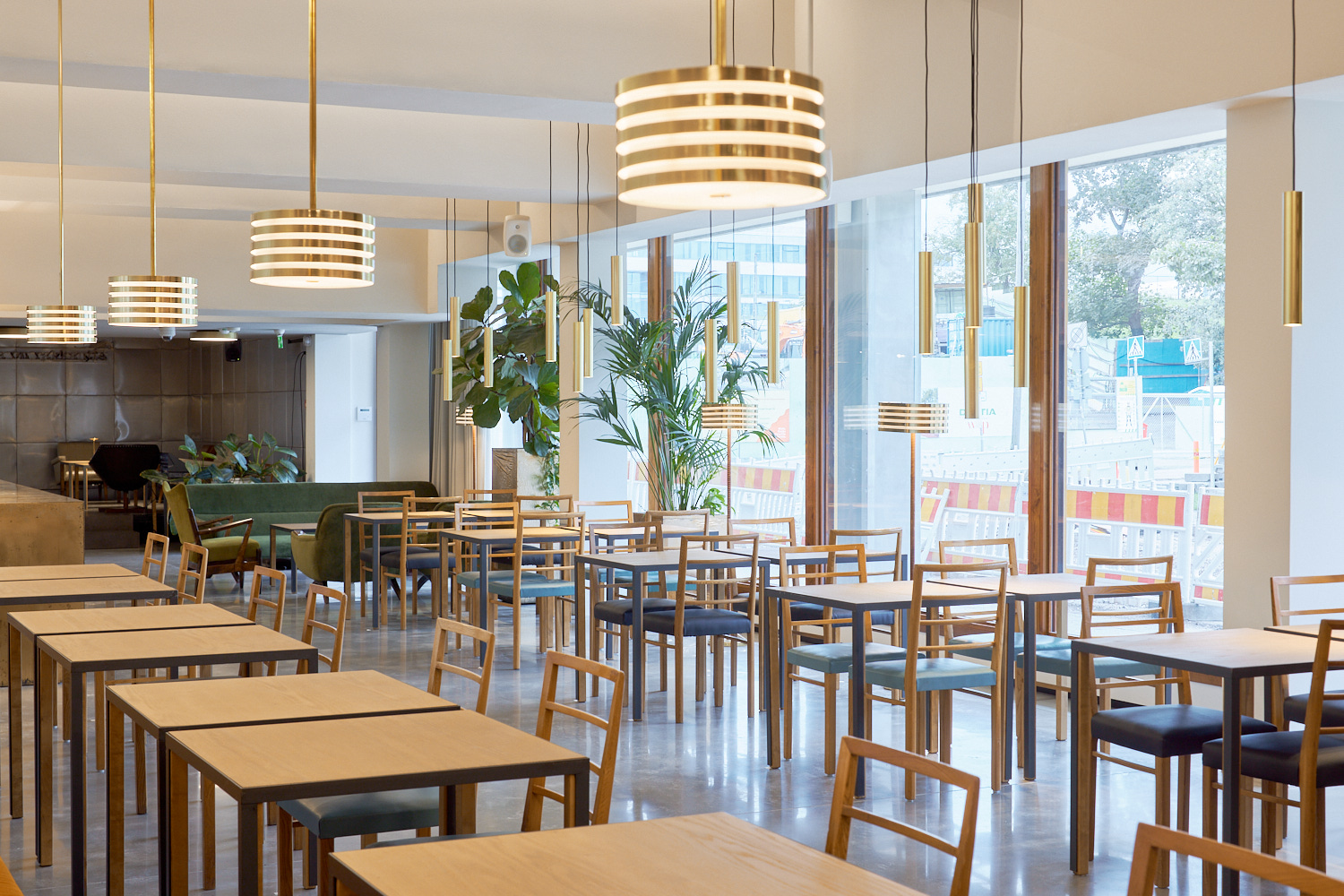
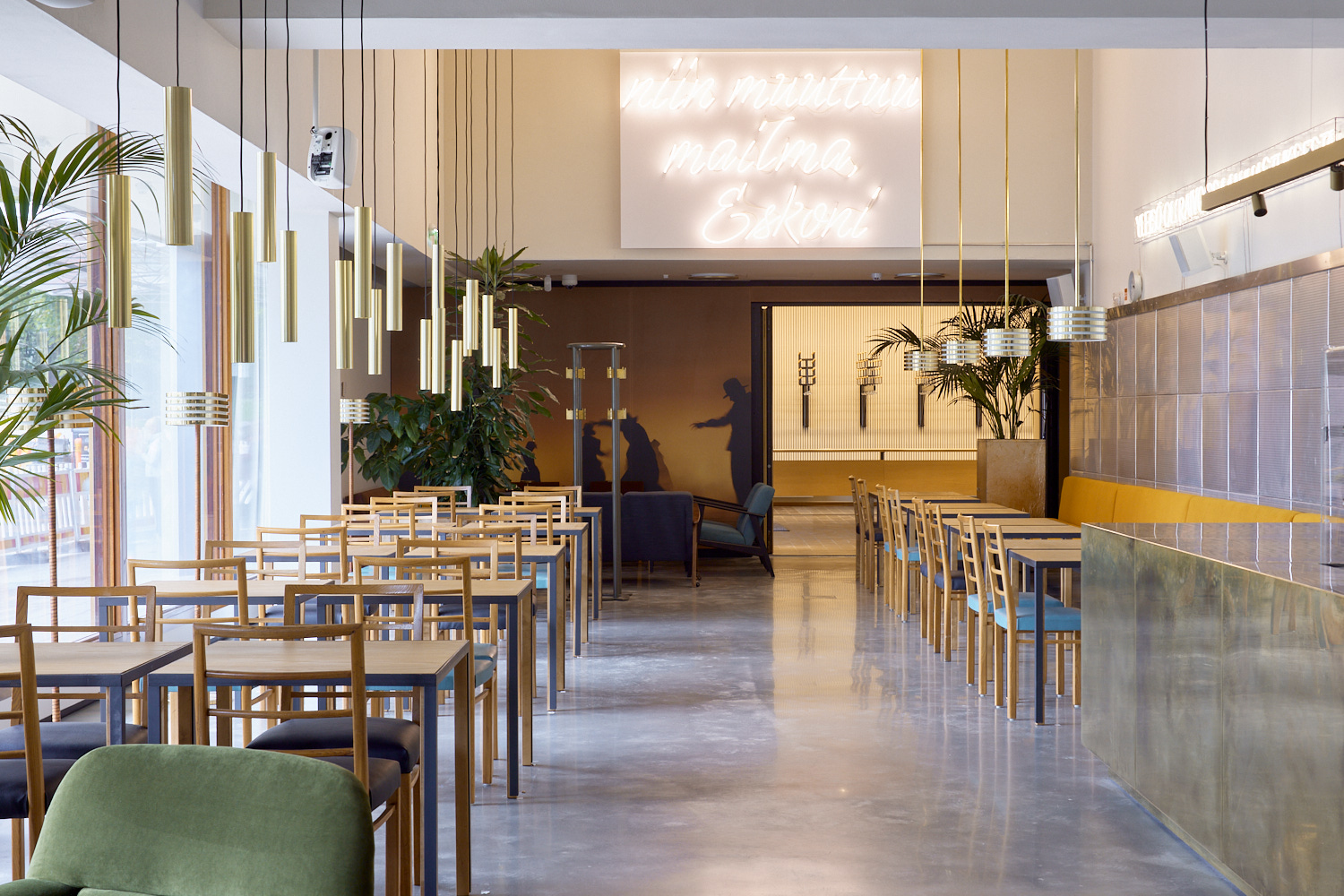
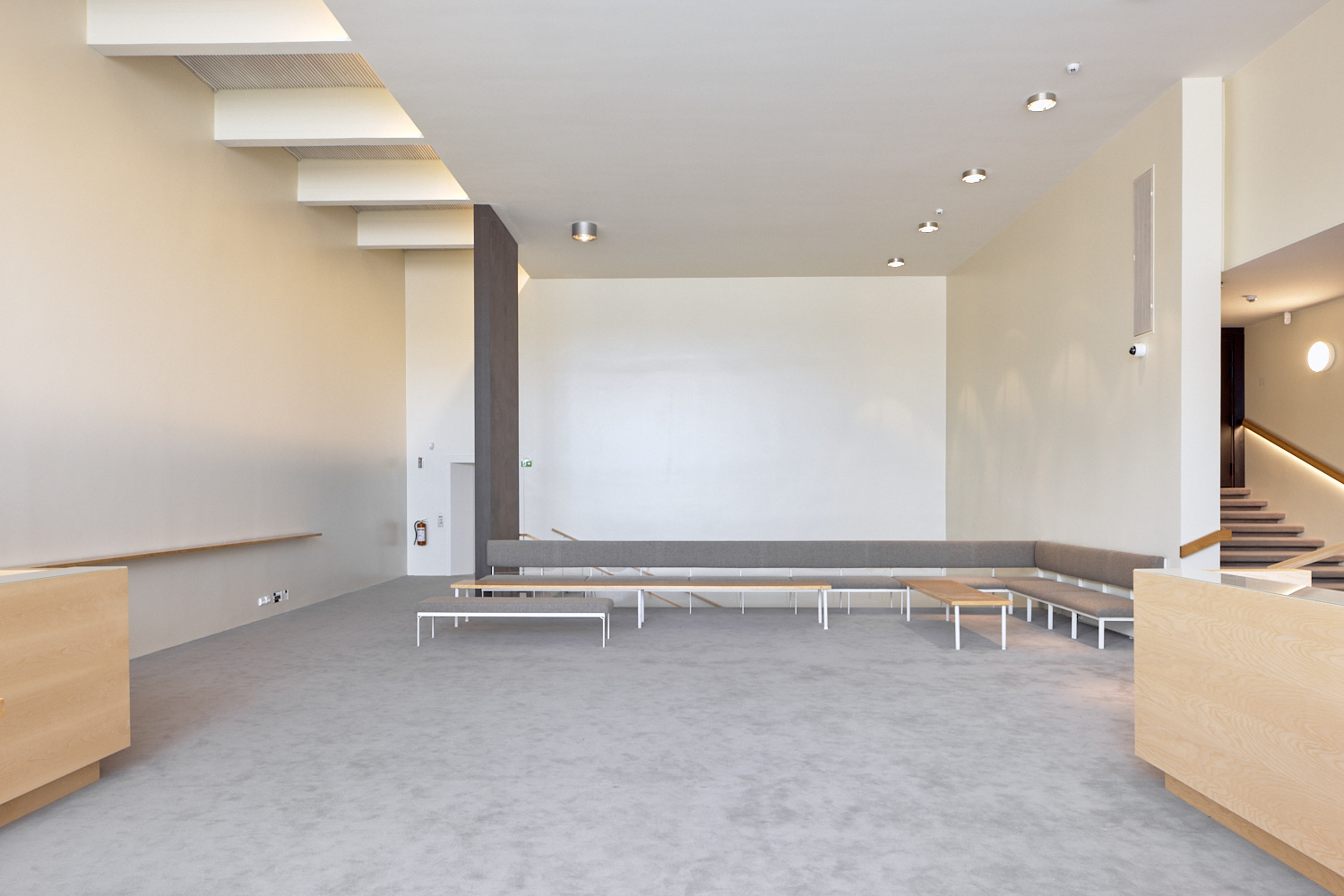
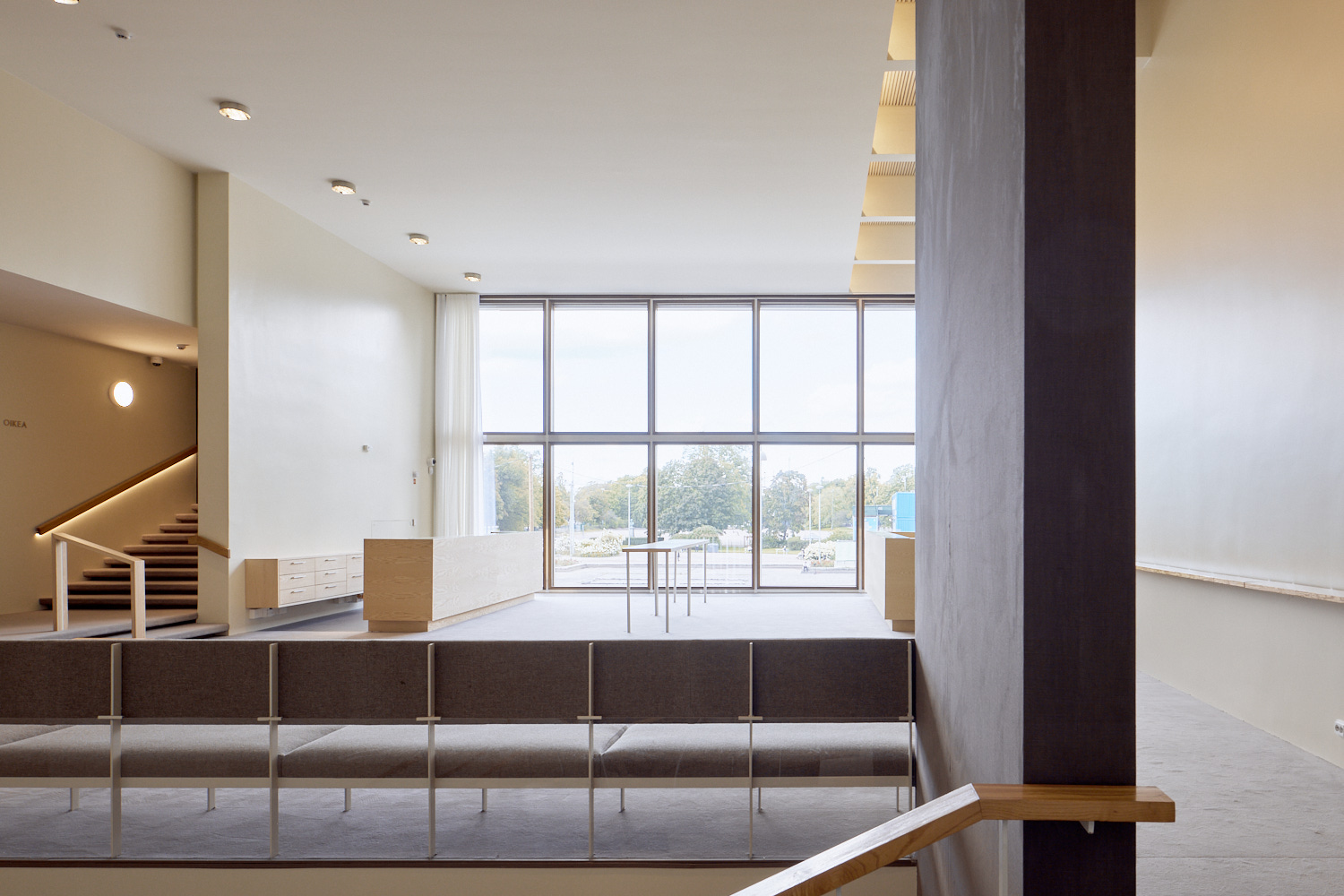
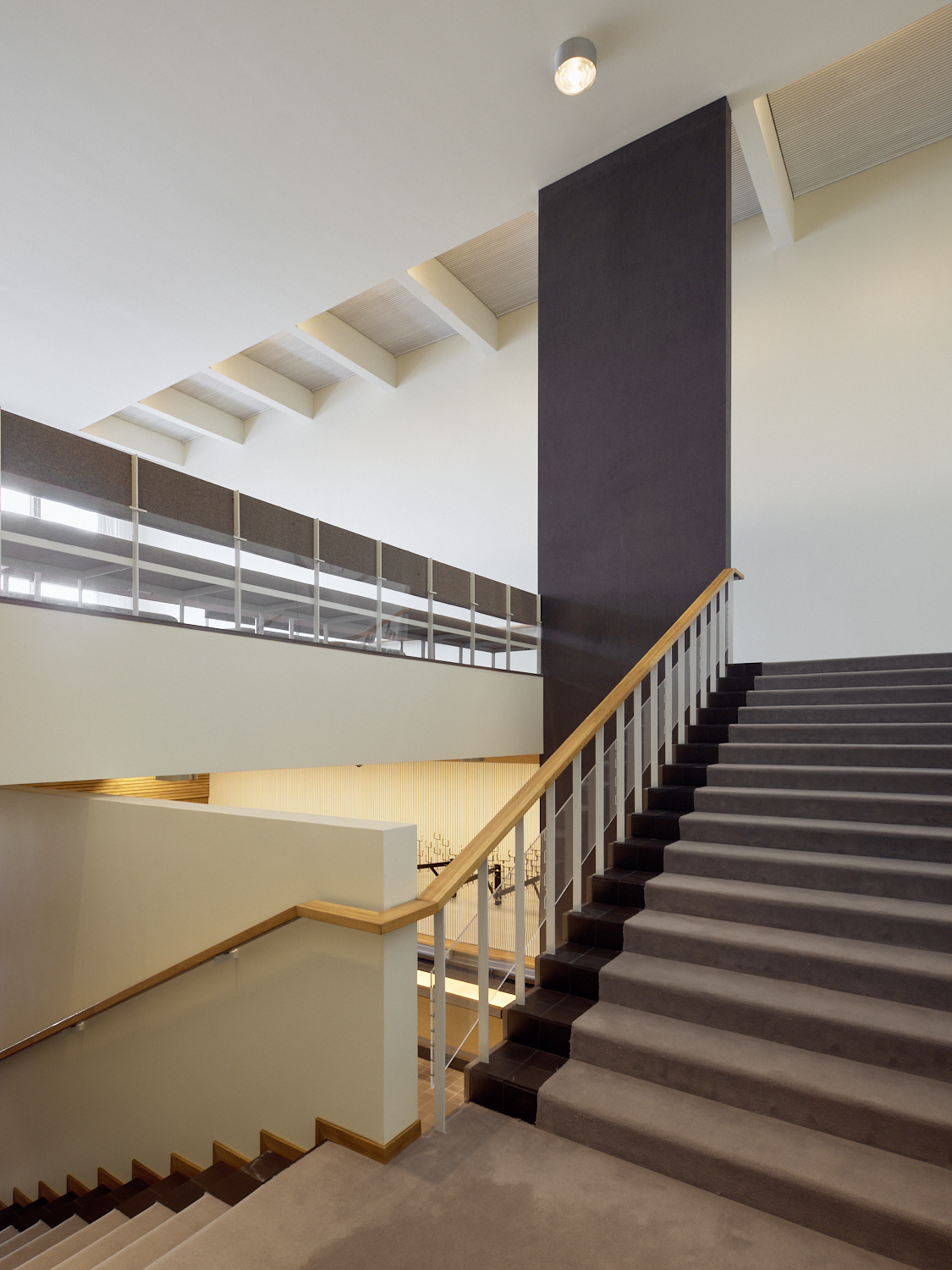
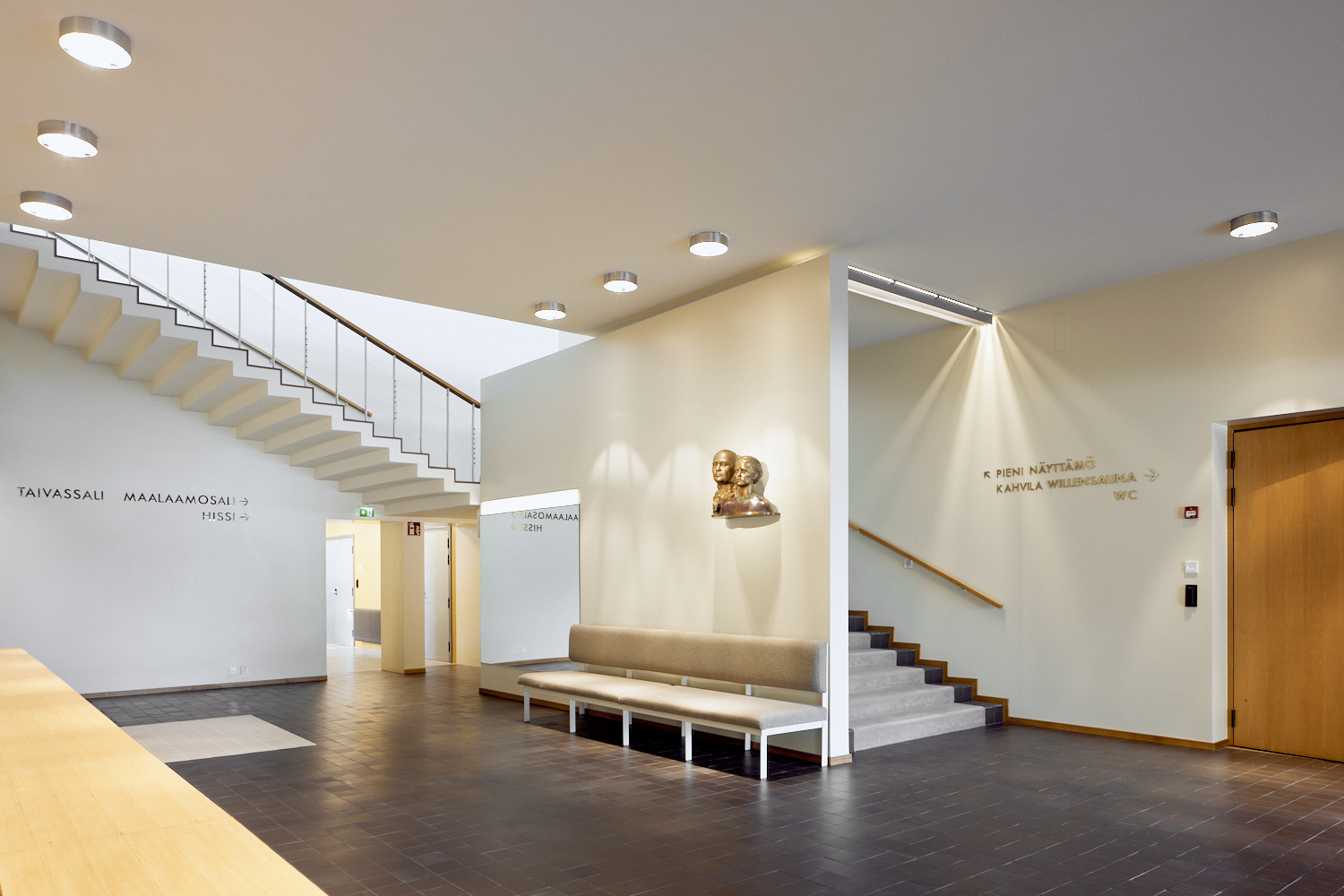
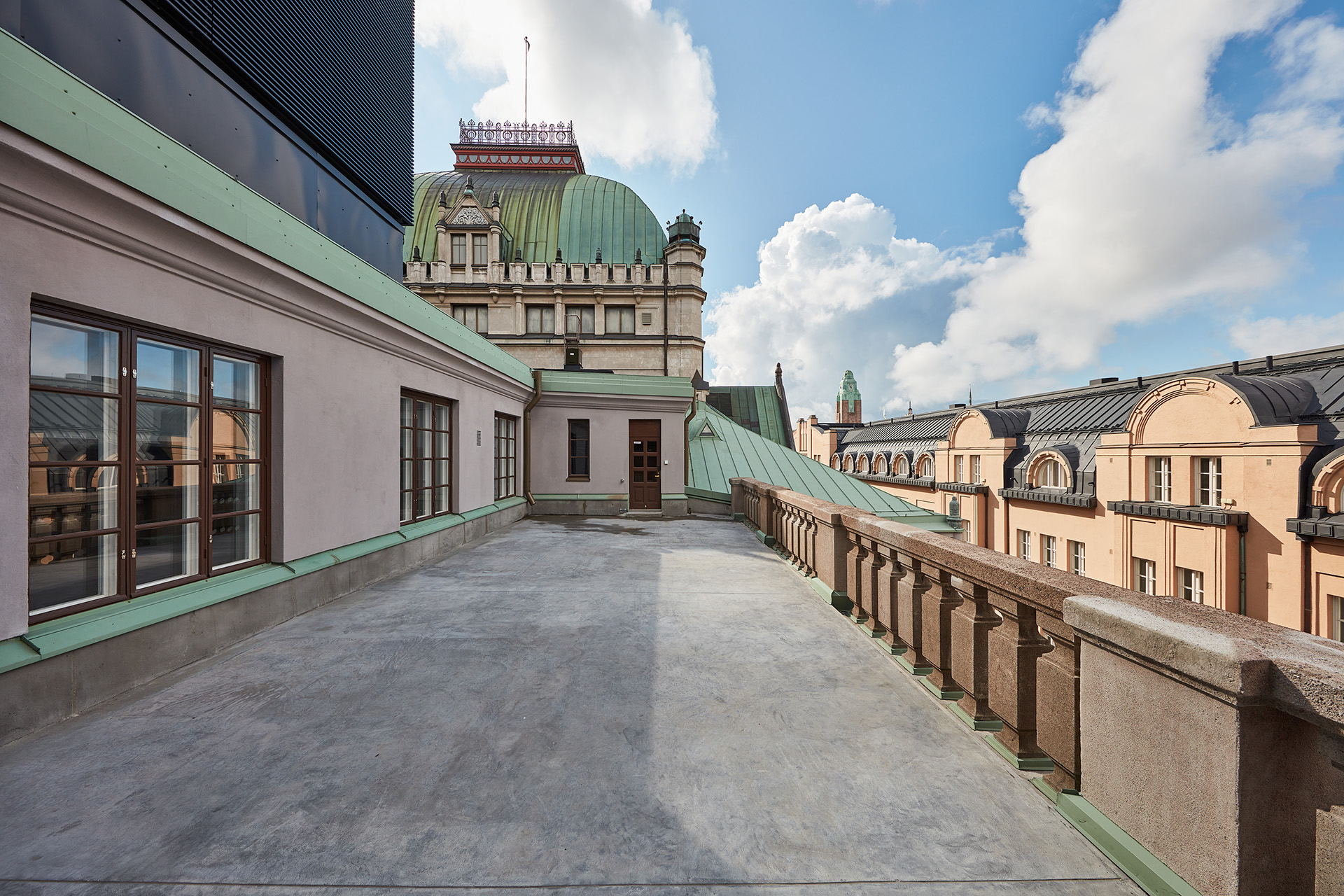
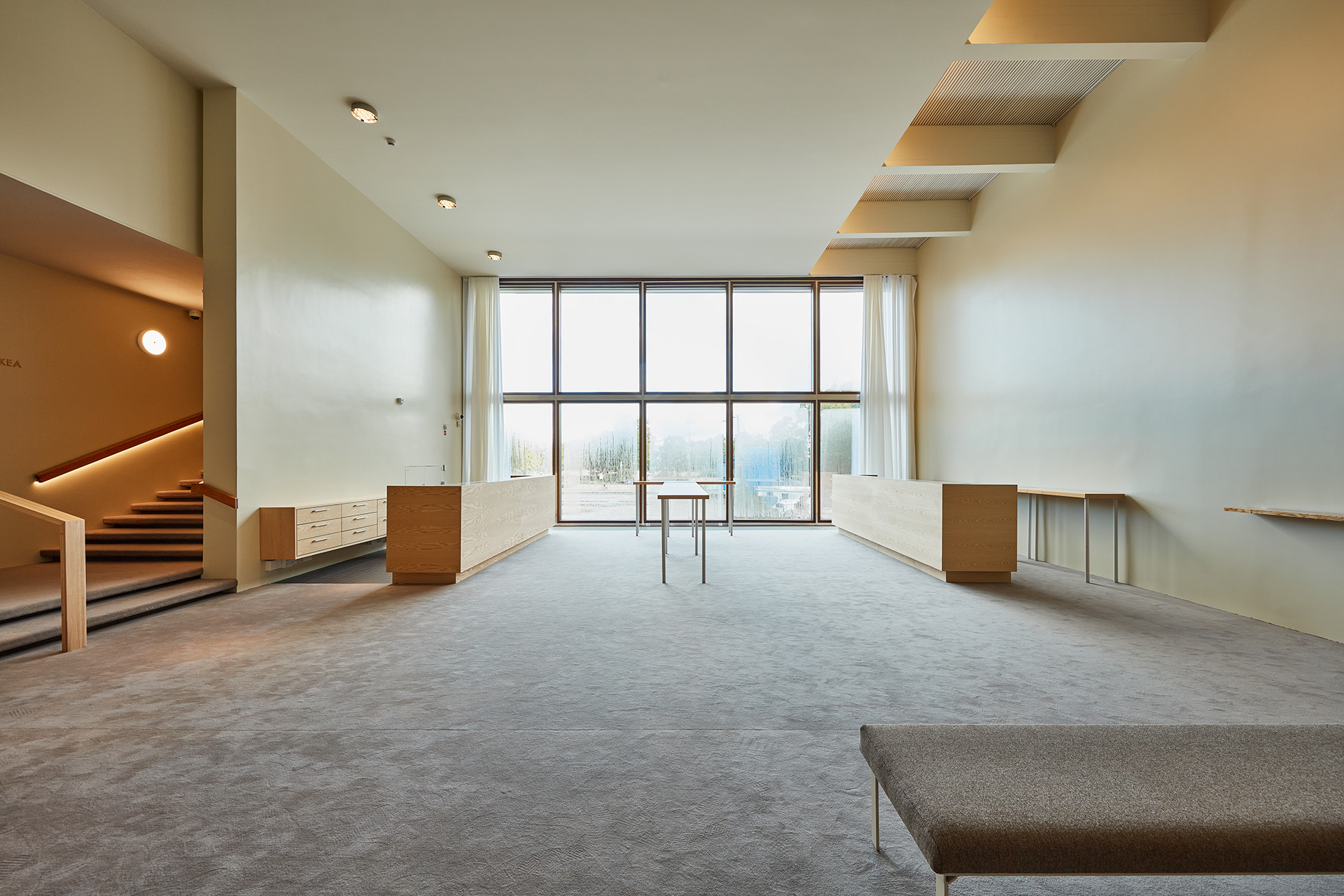
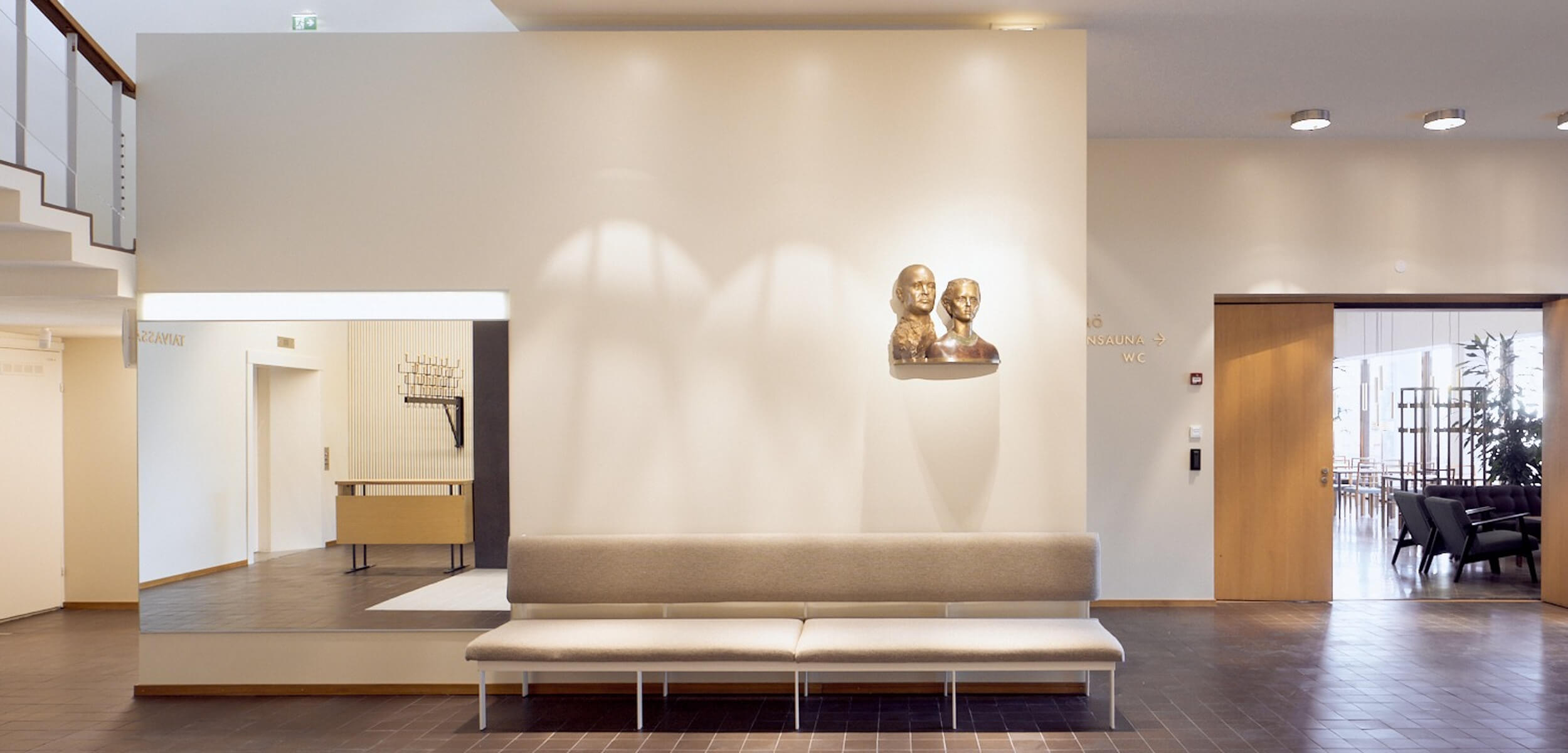
The second phase of the renovation of the Finnish National Theatre included comprehensive renovations to the technical and staff facilities of the Small Stage, a protected building built in 1954, and the renovation of the entire facade. The first phase, the renovation of the Great Theatre building, was completed in the early 2000s by architect Sari Schulman.
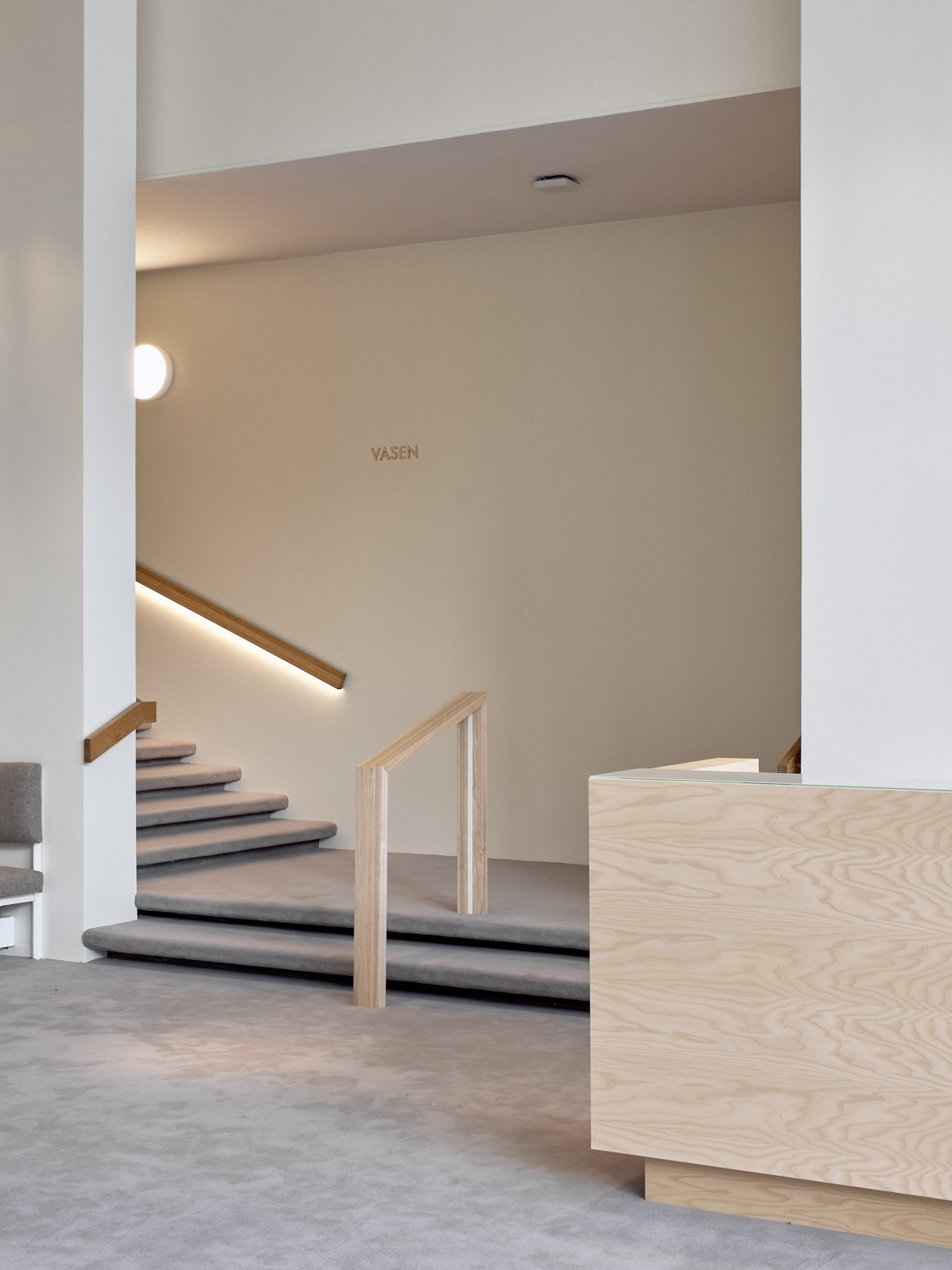
The main building of the National Theatre, the Main Stage Building, was completed in 1902 on the Railway Square. The National Romanesque building was designed by Onni Tarjanne (formerly Törnqvist). The theatre was extended in the 1930s with a temporary storage building for the Great Theatre, according to Tarjanne’s design. The theatre continued to expand with the addition of the Small Stage in 1954, designed by Kaija and Heikki Siren.
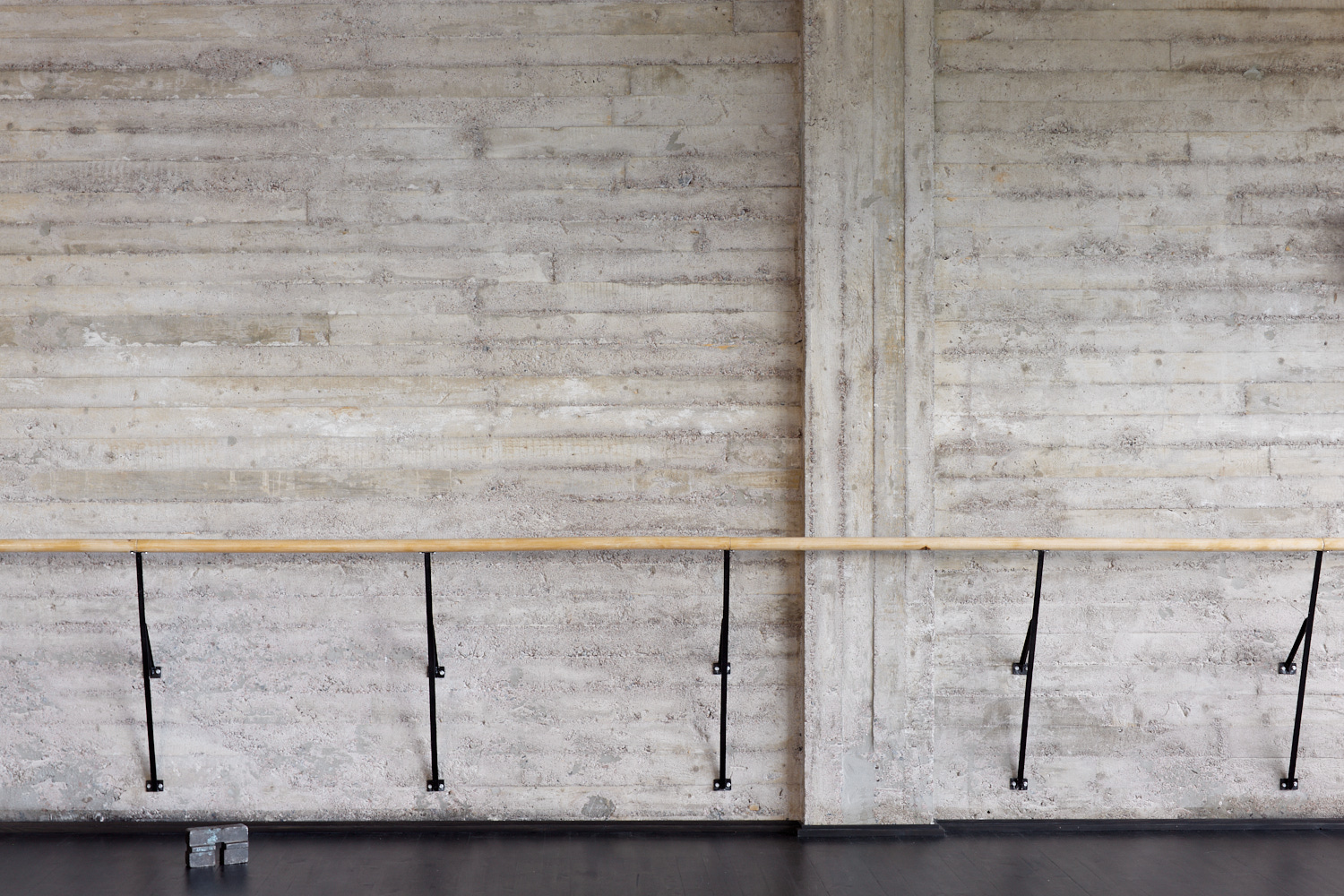
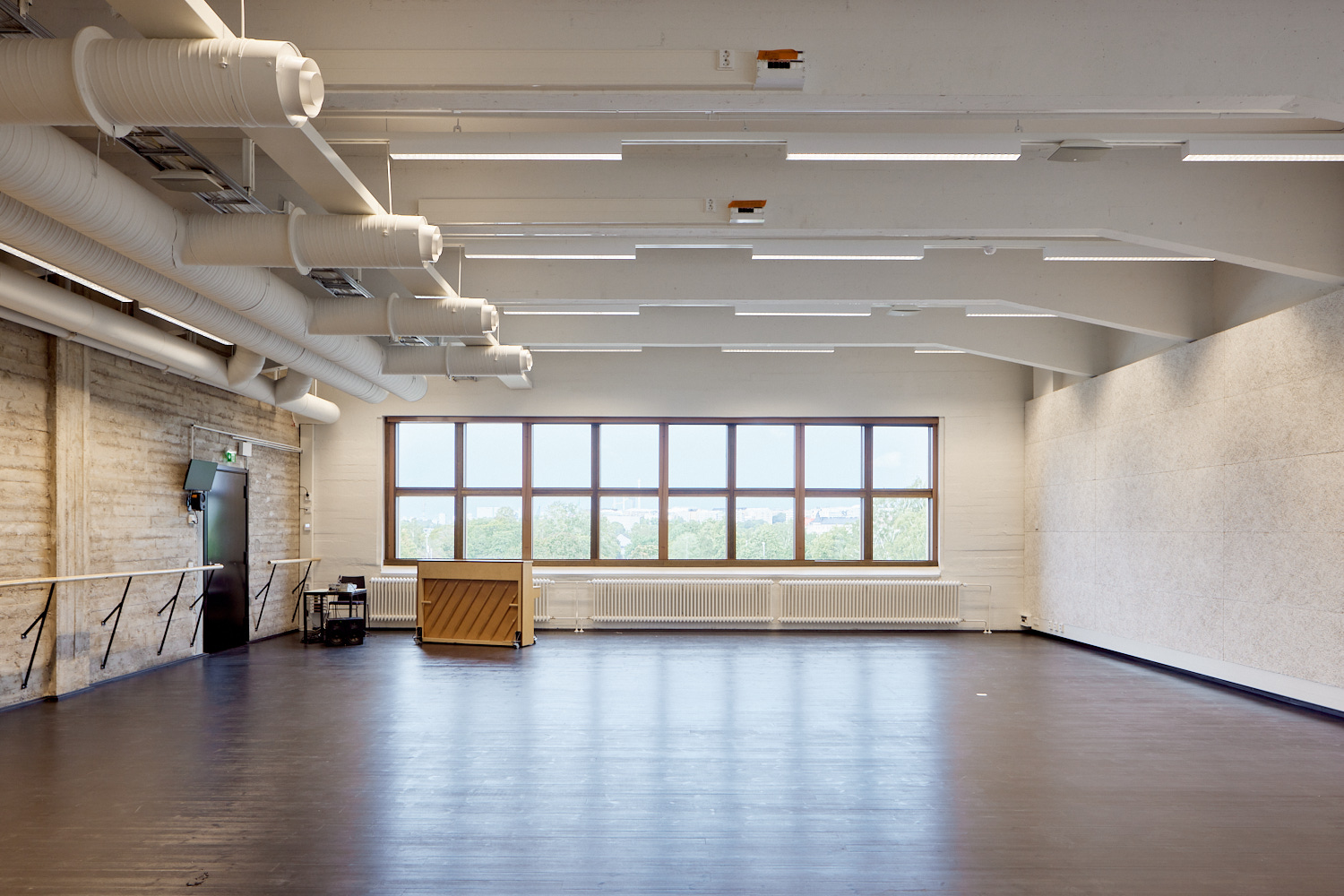
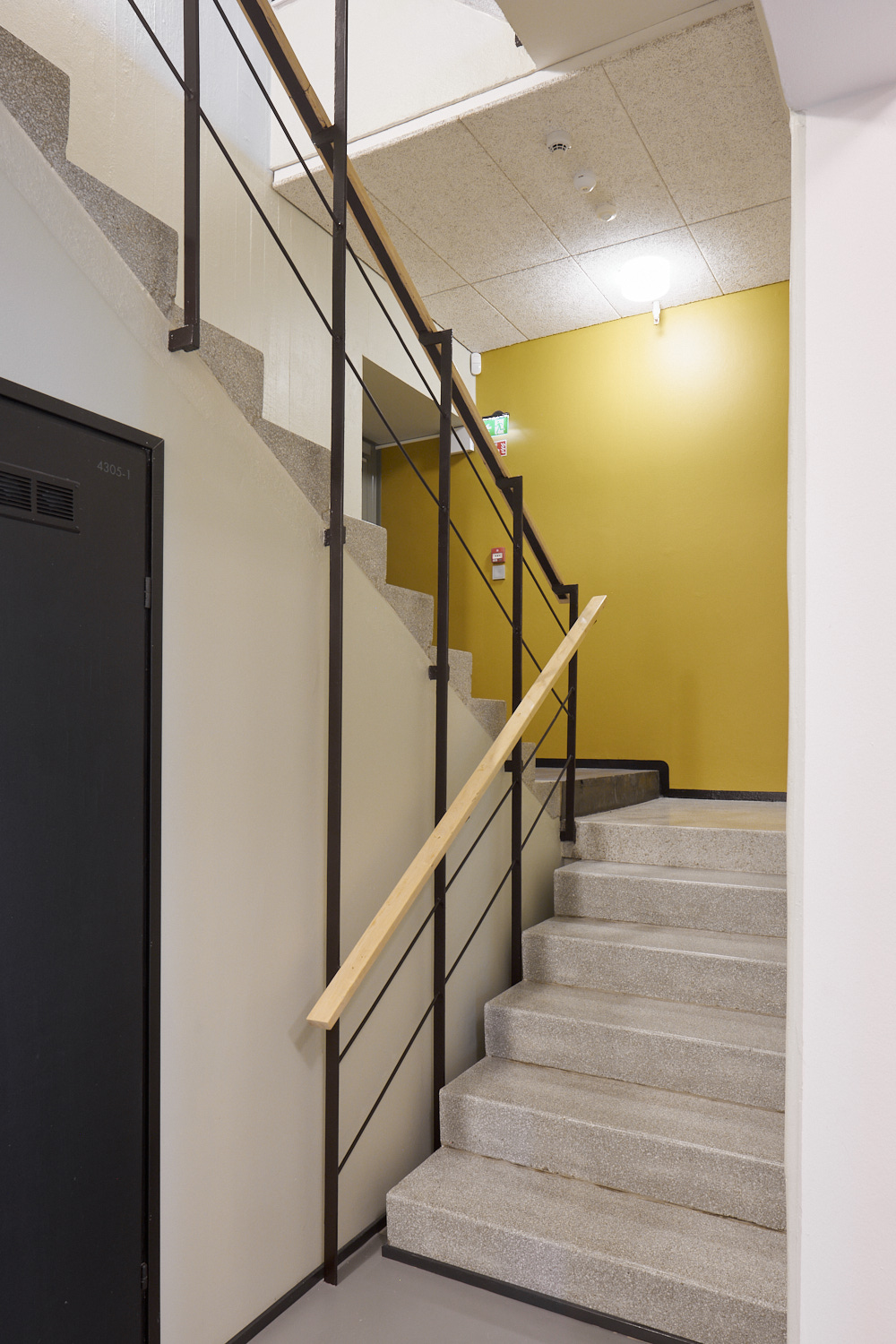
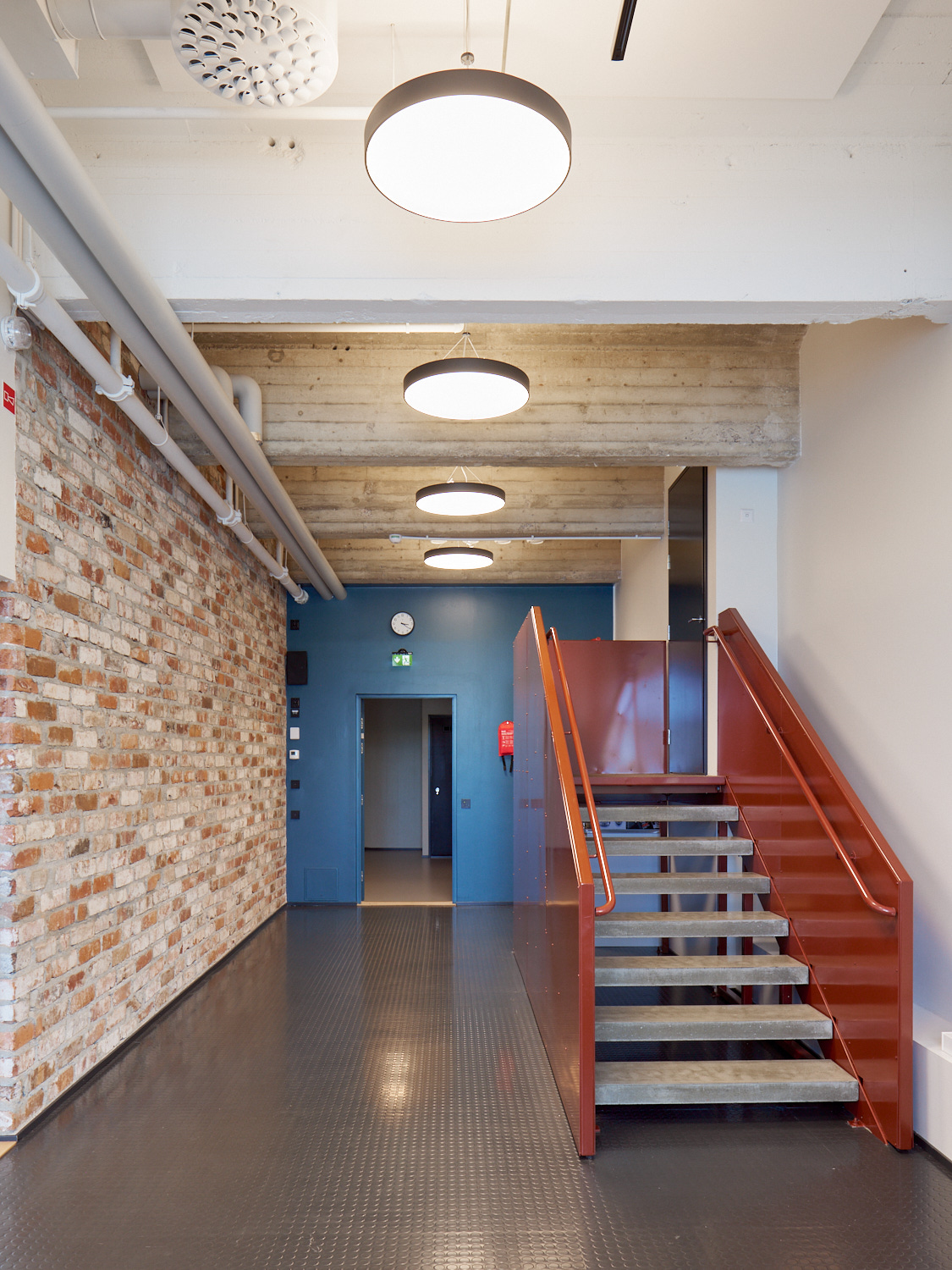
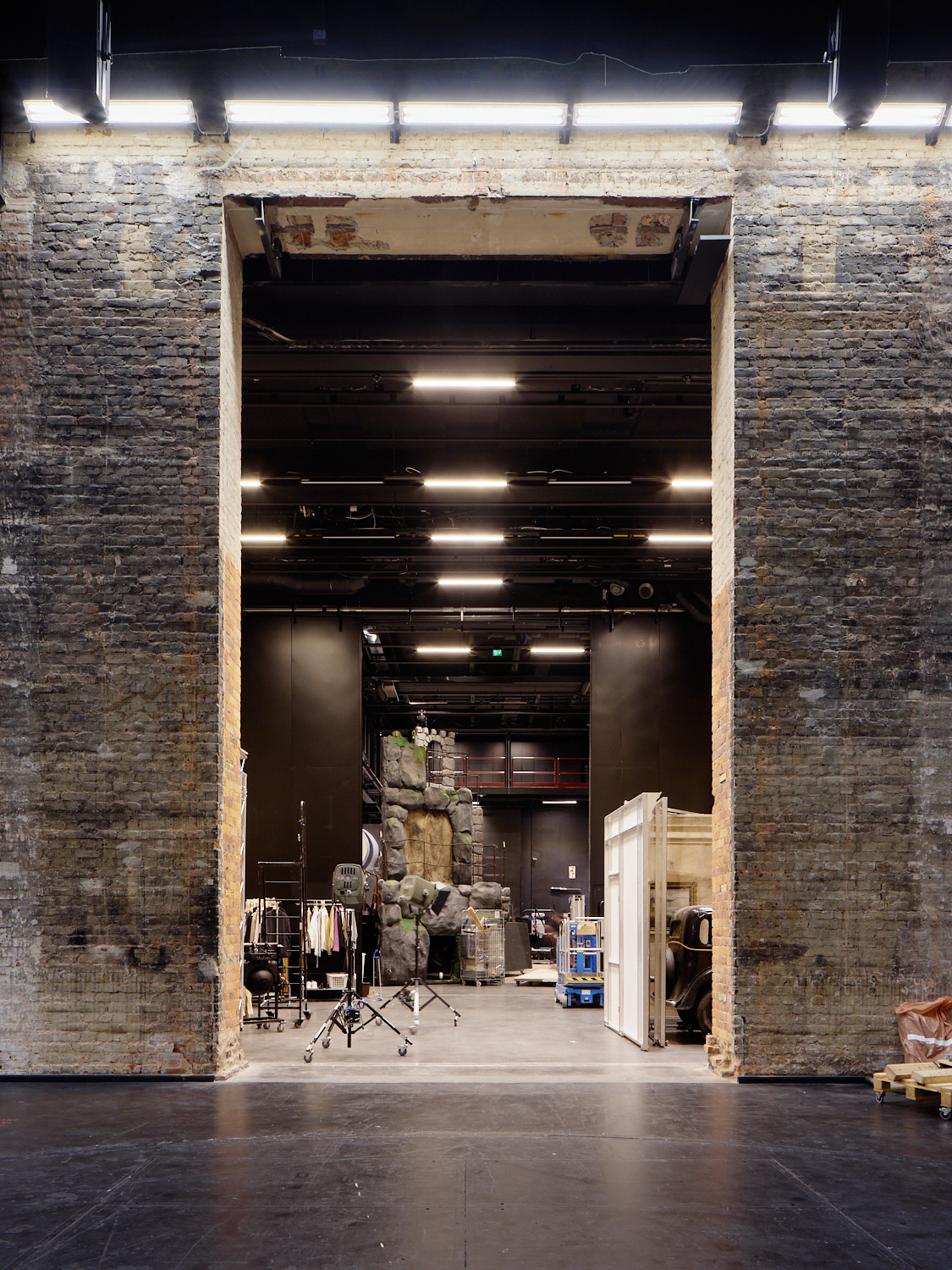
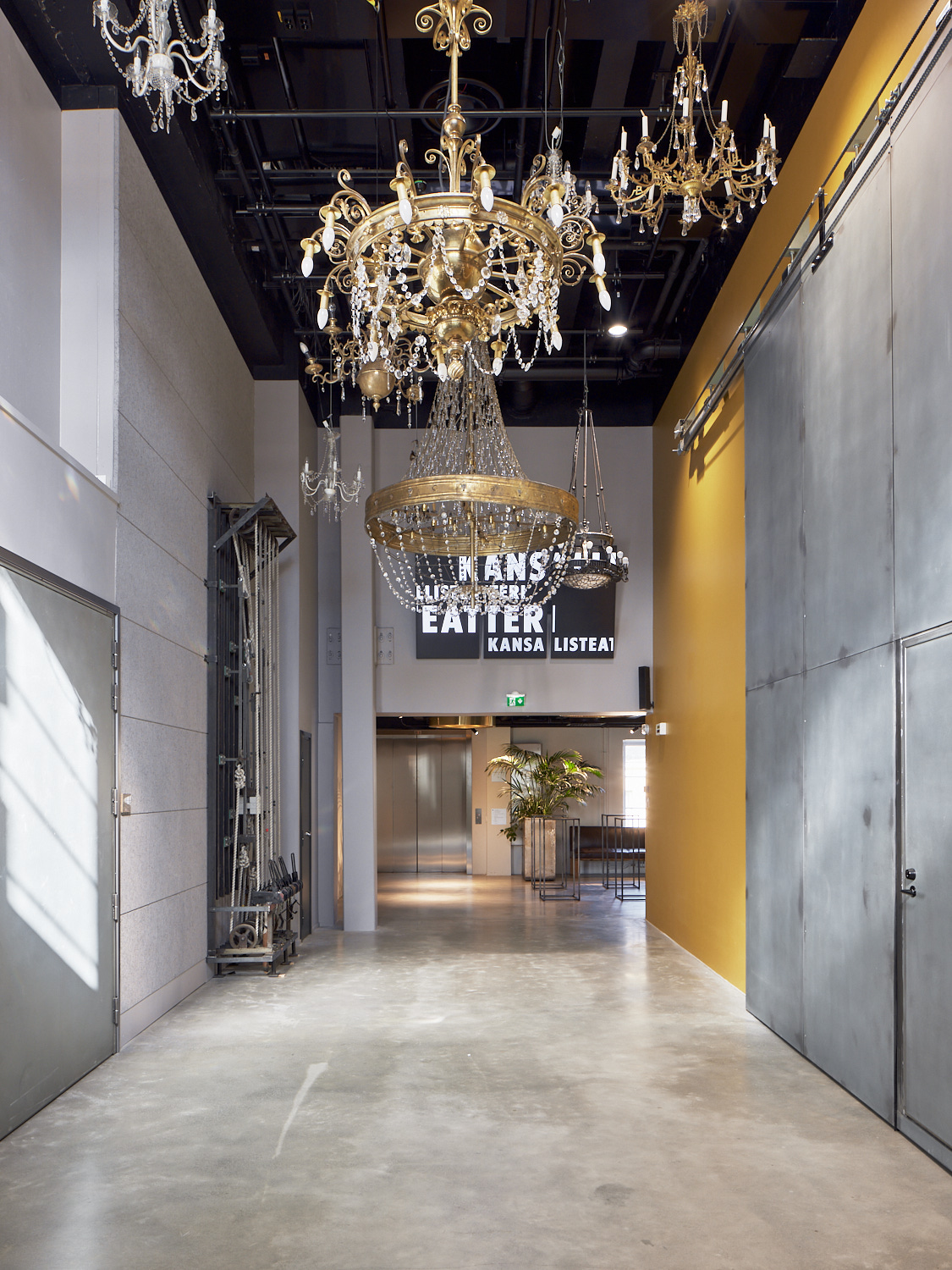
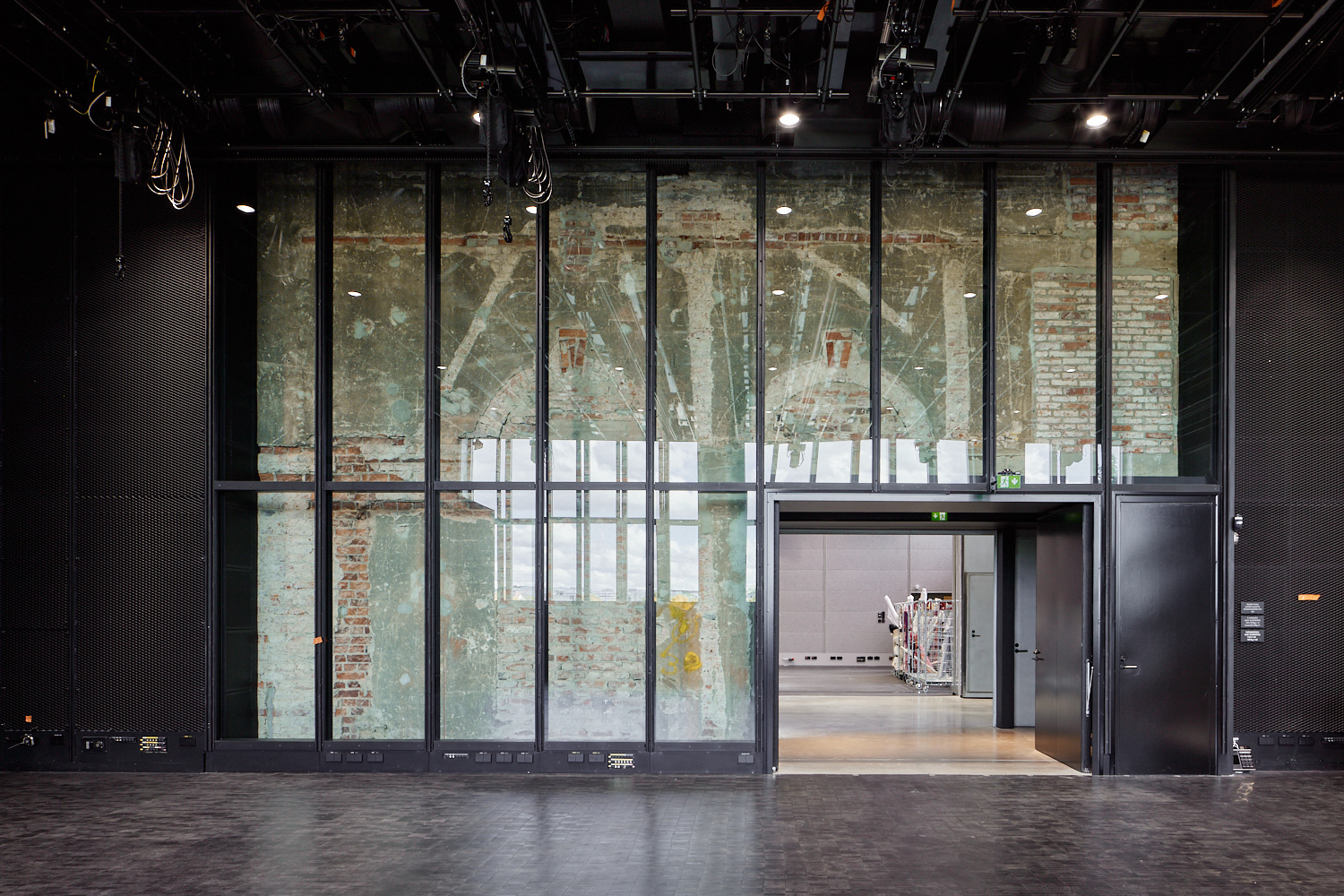
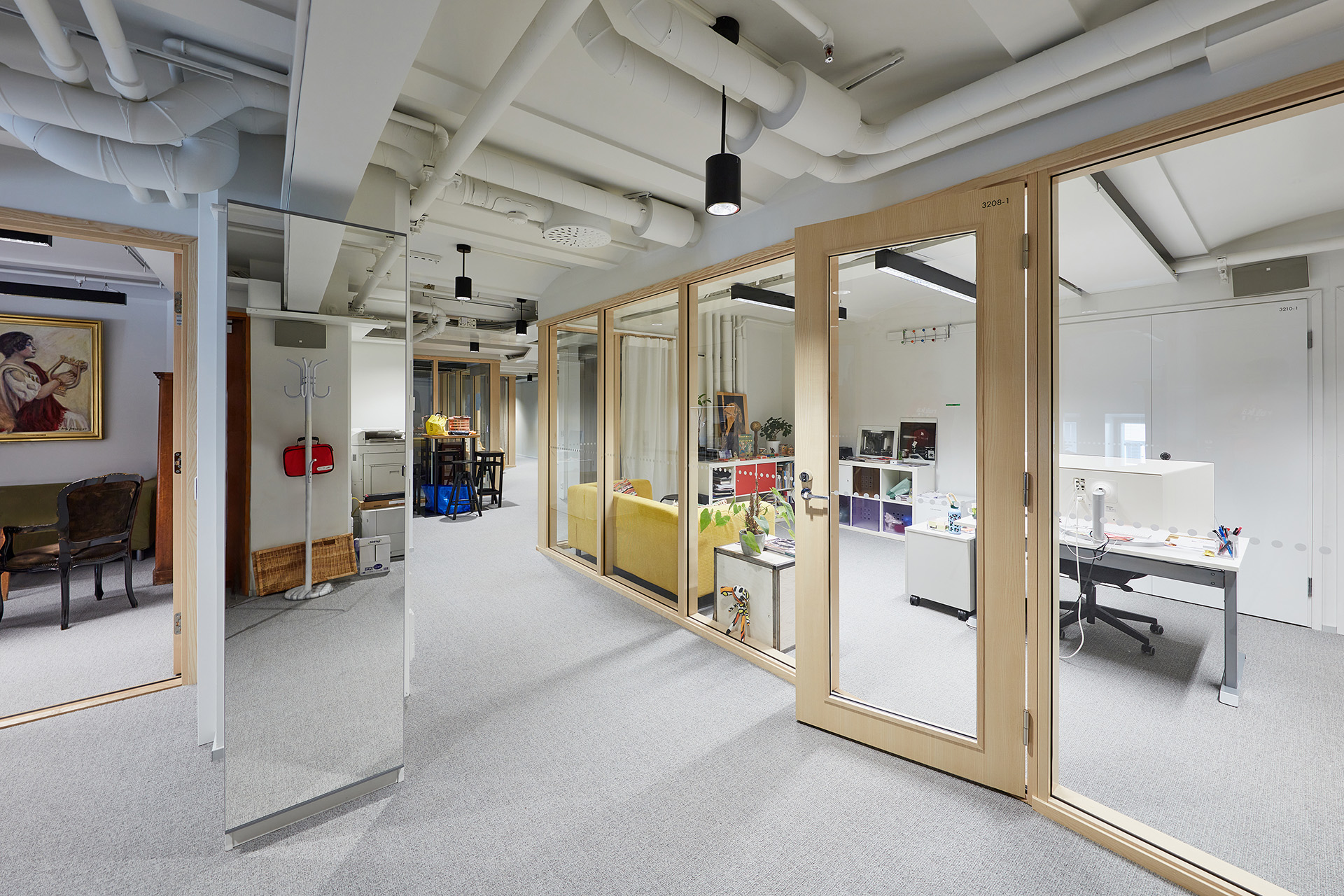
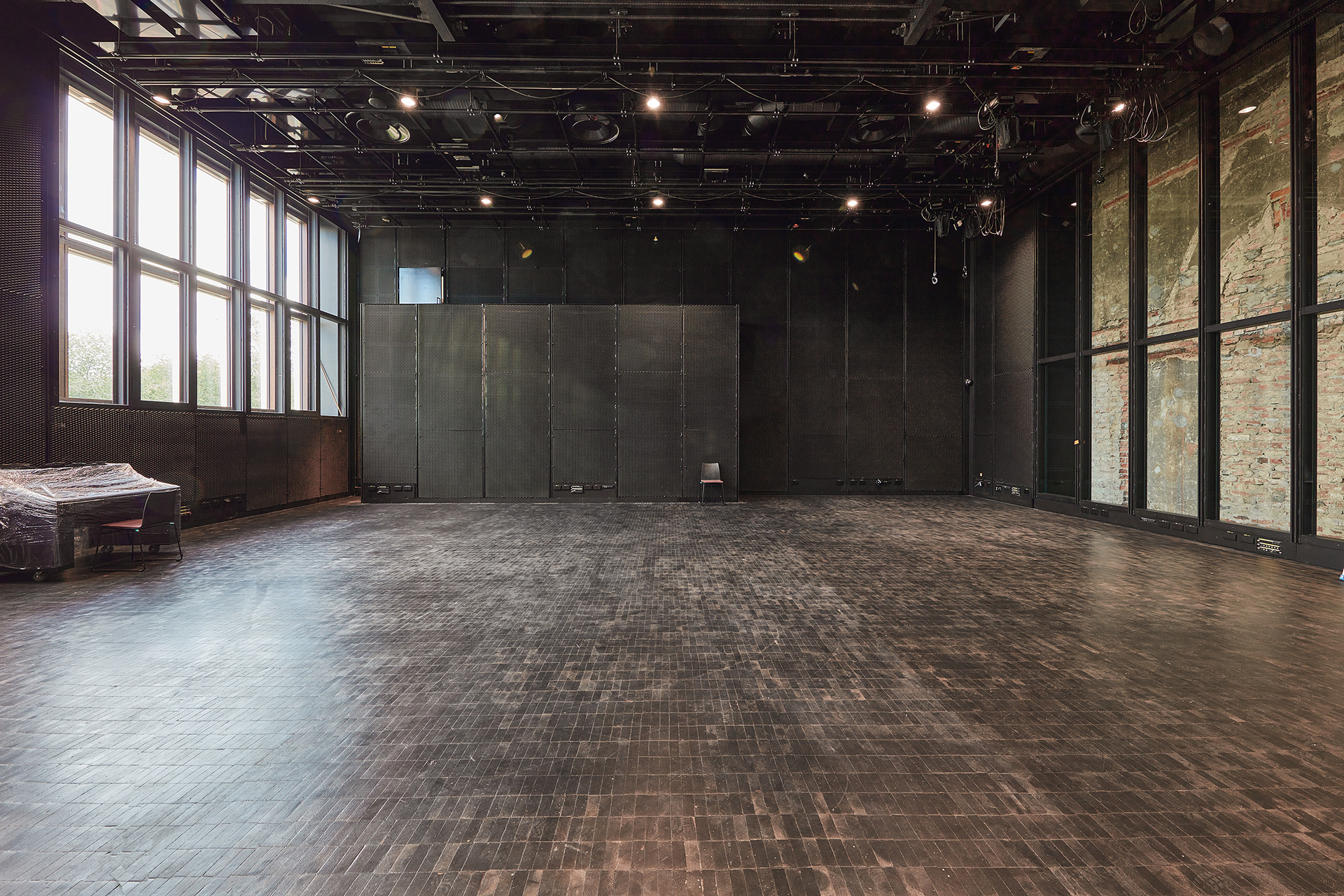
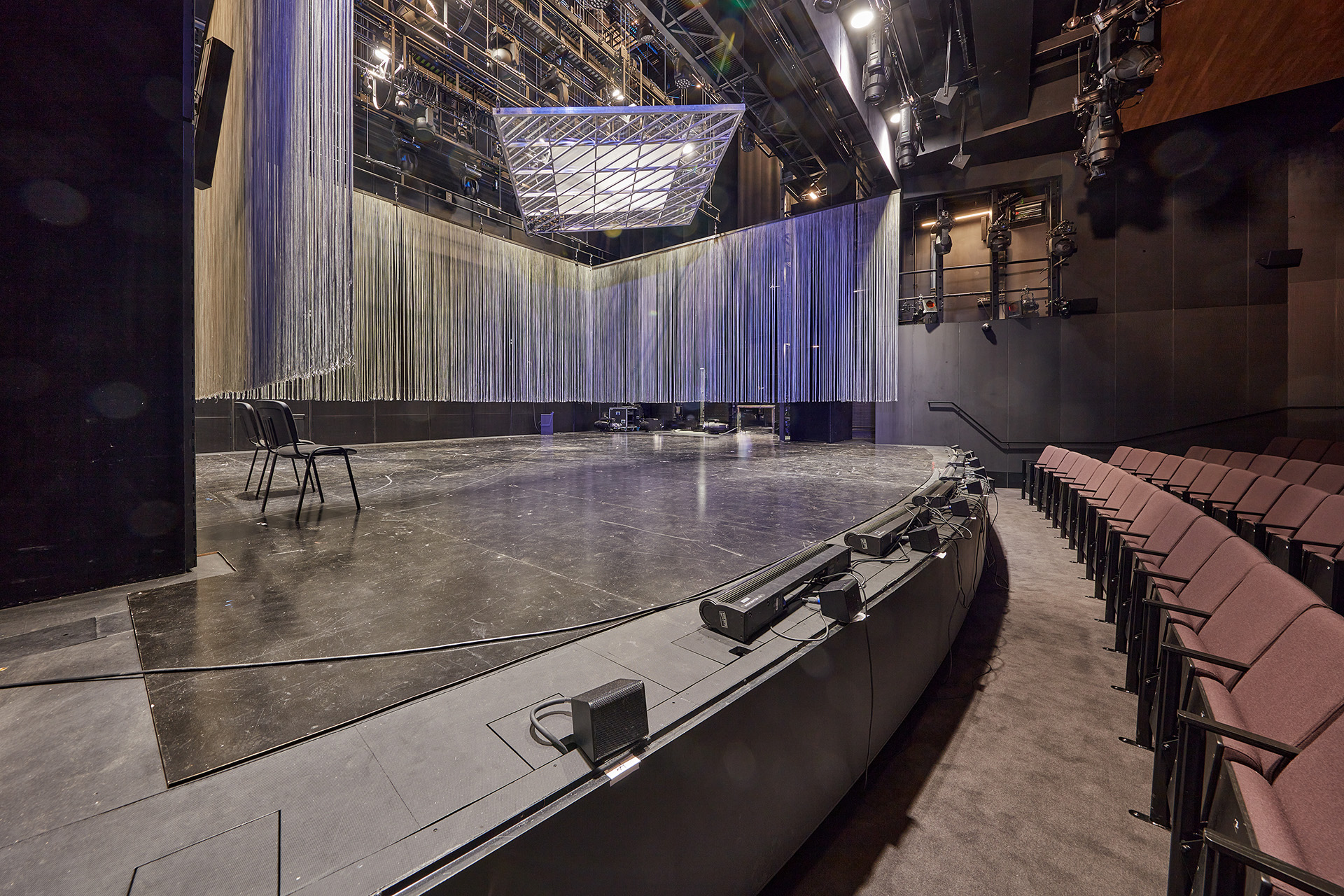
One aim was to link the different parts of the theatre quarter built in different eras by eliminating inefficient floor level changes between functional spaces. We also wanted to provide the theatre staff with working spaces with natural light. We carried this out with an all-encompassing renovation of the temporary 1930s building. The load-bearing structures had to be strengthened from the foundations to the roof, and modern building and theatre technology had to be adapted to the premises.
The main building of the National Theatre, the Main Stage Building, was completed in 1902 on the Railway Square. The National Romanesque building was designed by Onni Tarjanne (formerly Törnqvist). The theatre was extended in the 1930s with a temporary storage building for the Great Theatre, according to Tarjanne’s design. The theatre continued to expand with the addition of the Small Stage in 1954, designed by Kaija and Heikki Siren.
One aim was to link the different parts of the theatre quarter built in different eras by eliminating inefficient floor level changes between functional spaces. We also wanted to provide the theatre staff with working spaces with natural light. We carried this out with an all-encompassing renovation of the temporary 1930s building. The load-bearing structures had to be strengthened from the foundations to the roof, and modern building and theatre technology had to be adapted to the premises.